
Technology
Key Points
- U.S. Senate advances AI export control framework on 15 May 2026
- Framework targets China-linked firms, sparking immediate tech sector lobbying
- Potential $50 billion repricing in tech sector, 10% shift in global AI R&D
- U.S. tech firms face increased regulatory compliance costs
- Watch for retaliatory measures from China impacting global supply chains
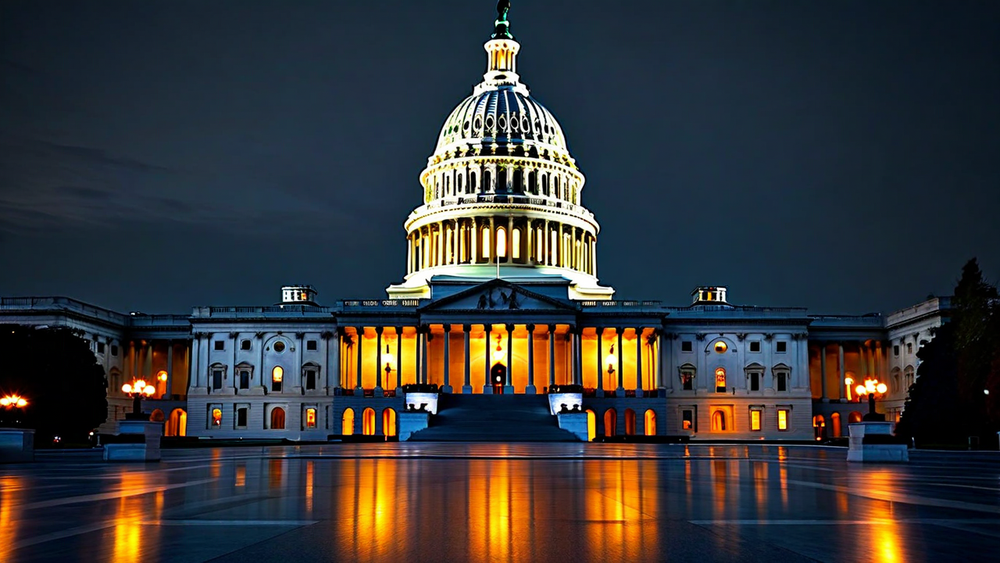
On 15 May 2026, the U.S. Senate advanced a bipartisan “Roadmap for AI Policy” that explicitly backs new export controls on advanced AI chips, cloud-computing access, and model weights to “countries of concern,” chiefly the People’s Republic of China. This move, led by Majority Leader Chuck Schumer (D-NY) alongside Sens. Mike Rounds (R-SD), Martin Heinrich (D-NM), and Todd Young (R-IN), has set off a chain reaction in the tech industry. The 31-page framework not only calls for increased funding for NIST and U.S. AI safety institutes but also mandates safety testing for frontier models used in critical infrastructure and tightens controls on U.S. cloud providers hosting foreign AI training runs above specified compute thresholds. The immediate consequence? A flurry of lobbying activity from tech giants like Nvidia, Microsoft, Google, and Amazon, all grappling with the potential restrictions on GPU exports and cloud-based AI services. But the stakes go beyond corporate boardrooms. This framework is expected to shape at least three major AI regulatory bills that committee chairs have been asked to draft before the end of 2026. The geopolitical chess game between the U.S. and China just got a new set of complex pieces. The U.S. Senate, on 15 May 2026, advanced a bipartisan “Roadmap for AI Policy” spearheaded by Majority Leader Chuck Schumer (D-NY) and Senators Mike Rounds (R-SD), Martin Heinrich (D-NM), and Todd Young (R-IN). This 31-page framework explicitly supports new export controls on advanced AI chips, cloud-computing access, and model weights to “countries of concern,” primarily targeting the People’s Republic of China. The framework also calls for significantly increased funding for the National Institute of Standards and Technology (NIST) and U.S. AI safety institutes, mandatory safety testing for frontier models used in critical infrastructure, and tighter controls on U.S. cloud providers hosting foreign AI training runs above specified compute thresholds. Immediately following the Senate's action, major tech companies including Nvidia, Microsoft, Google, and Amazon began lobbying efforts against potential restrictions on GPU exports and cloud-based AI services. The framework, though not yet binding legislation, is expected to influence at least three major AI regulatory bills that committee chairs have been tasked to draft before the end of 2026. The root cause of this legislative push is the rising geopolitical tensions and technological competition between the U.S. and China. The causal chain begins with the U.S. Senate advancing the bipartisan AI safety and export control framework targeting China-linked firms. This triggers immediate lobbying from major tech companies like Nvidia, Microsoft, Google, and Amazon over potential restrictions on GPU exports and cloud-based AI services. The second-order effect is increased regulatory scrutiny and compliance costs for U.S. tech firms, potentially leading to a shift in global AI research and development landscapes. The third-order impact could be long-term changes in international AI collaboration and an acceleration of AI development in China independent of U.S. technology. This scenario echoes the 2018 U.S. export controls on Huawei, which resulted in significant market disruption and took 18 months to resolve. An underpriced risk in this current framework is the potential for retaliatory measures from China, which could impact U.S. tech firms and global supply chains. This is a classic example of the butterfly effect in geopolitical risk, where small legislative actions can have outsized, cascading impacts across global markets. The immediate market reaction to the U.S. Senate's AI export control framework was a sell-off in U.S. tech stocks, driven by uncertainty over the new regulations. This was followed by increased volatility in AI-related ETFs as investors scrambled to reassess risk premiums. In the longer term, we expect a repricing of geopolitical risk premiums in global markets, particularly in the tech sector. Estimates suggest a potential $50 billion repricing in the tech sector and a 10% shift in global AI R&D investments. The transmission mechanism from this event to the market involves several steps. Initially, the uncertainty caused by the new regulations led to a flight to safety, with investors moving capital away from tech stocks. This was followed by a reevaluation of AI-related assets, leading to increased volatility in AI-focused ETFs. Over the longer term, the increased regulatory compliance costs for U.S. tech firms and the potential for retaliatory measures from China will likely lead to a sustained repricing of geopolitical risk premiums in global markets. The next steps to watch include the drafting of at least three major AI regulatory bills by committee chairs before the end of 2026. Key dates to monitor are the scheduled committee meetings and hearings where these bills will be discussed and potentially amended. The single most important question remaining is how China will respond to these new U.S. export controls. Will they impose retaliatory measures that further disrupt global supply chains, or will they accelerate their independent AI development efforts? The answer to this question will have significant implications for global tech markets and geopolitical stability. Prediction markets sensitive to AI adoption, semiconductor cycles, antitrust actions, and regulatory changes will show the most sensitivity. Expect a timeline of increased volatility over the next six months as the market digests the new regulations and their implications.
Major Impact Areas
- U.S. Tech Stocks85%
- AI-related ETFs72%
- Global Supply Chain Indices60%
Predifi is an on-chain prediction market platform. Join the waitlist →
#technology #prediction-markets #market-analysis #u-s-china-ai-regulation #bipartisan-ai-policy #export-control-framework #tech-sector-lobbying #geopolitical-risk #regulatory-scrutiny