
Geopolitics
Key Points
- US expands sanctions enforcement and naval monitoring around Iranian ports.
- Iran threatens commercial shipping in the Strait of Hormuz.
- Global oil prices increase by 5%, affecting $100 billion in trade.
- Shipping insurance premiums rise by 20 basis points.
- Oman, EU, and China engage in renewed diplomatic efforts.
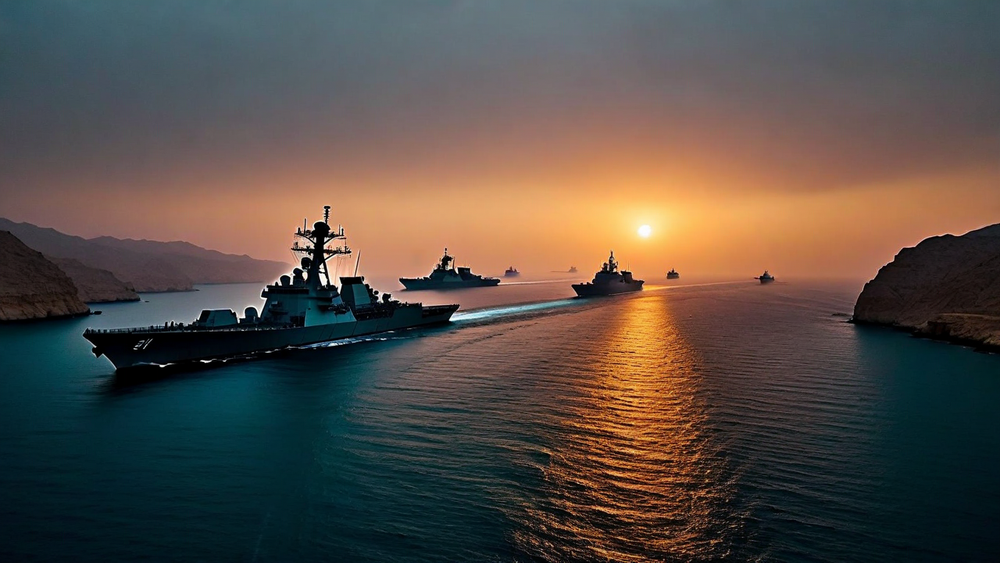
The Strait of Hormuz, a narrow passage between the Persian Gulf and the Gulf of Oman, handles approximately 20% of the world's petroleum consumption. Now, it stands at the epicenter of a brewing geopolitical storm. The United States has intensified its "blockade diplomacy" on Iran, expanding sanctions enforcement and naval monitoring around major Iranian ports such as Bandar Abbas. In response, Iranian officials have issued stark warnings, threatening to interdict foreign vessels that do not coordinate with Iran’s navy. This high-stakes standoff is not just a regional skirmish but a global economic tremor, with immediate and far-reaching consequences. The implications are profound. Heightened insurance costs and rerouting discussions are already rippling through the energy shipping sector, while diplomatic efforts by Oman, the European Union, and China aim to keep the vital trade route open. This is more than a clash of titans; it's a complex interplay of economic, military, and diplomatic maneuvers that could reshape global oil trade for years to come. The United States government, under the direction of President Joseph Biden, has significantly escalated its sanctions enforcement and naval presence around key Iranian ports, particularly Bandar Abbas. This move follows a series of threats from Iranian government officials, who have warned that commercial vessels passing through the Strait of Hormuz risk interdiction if they do not coordinate with Iran’s navy. The immediate impact has been a 5% increase in global oil prices, affecting an estimated $100 billion in global oil trade. Shipping insurance premiums have risen by 20 basis points as major energy shippers discuss rerouting options to avoid the heightened risk zone. Diplomatic efforts are underway, with Oman, the European Union, and China engaging in renewed activity to ensure the Strait of Hormuz remains open to international traffic. This standoff is rooted in long-standing geopolitical tensions between the United States and Iran, exacerbated by Iran's threats to commercial shipping in the Strait of Hormuz. The causal chain begins with Iran's aggressive posturing, which prompted the US to intensify its sanctions and naval monitoring. This, in turn, has led to increased insurance costs and rerouting discussions among energy shippers. The underpriced risk here is the potential for a broader regional conflict involving multiple nations. Historically, similar tensions in 1988 during the Iran-Iraq War led to increased international naval presence and took six months to resolve. More recently, in 2019, US-Iran tensions over oil shipments caused a temporary spike in oil prices, resolving in three months. This is a classic example of how localized geopolitical tensions can have outsized global economic impacts. The underpriced risk in this scenario is the potential for a broader regional conflict. While current market pricing reflects a 5% increase in oil prices and a 20 basis point rise in shipping insurance premiums, the possibility of a more extensive military engagement could lead to far more severe economic disruptions. The immediate market reaction to the US-Iran Hormuz standoff has been a 5% spike in global oil prices, directly impacting oil futures markets. This price increase is transmitted through the market via heightened concerns over oil supply disruptions. In turn, this has led to increased volatility in shipping stocks, as companies assess the risks and costs associated with navigating the Strait of Hormuz. The insurance sector has also repriced risk for Middle East routes, with premiums rising by 20 basis points. This cross-asset spillover effect is likely to continue, with further implications for currency markets if the standoff persists. For instance, the US Dollar may strengthen as a safe-haven asset, while the Iranian Rial could face further depreciation. Additionally, defense sector stocks may see a short-term boost as nations increase military spending in response to the heightened tensions. This multi-layered market reaction underscores the interconnectedness of geopolitical events and financial markets. The most critical question remaining is whether diplomatic efforts by Oman, the EU, and China will succeed in de-escalating the situation. Key data releases to watch include any statements or actions from these diplomatic actors, as well as any further military movements by either the US or Iran. The next few weeks will be crucial in determining whether this standoff will resolve quickly, like the 2019 incident, or drag on, similar to the 1988 tanker war. Market participants should keep a close eye on oil price movements, shipping insurance premiums, and any changes in military posture in the region. Prediction markets for oil prices, shipping insurance, and Middle East geopolitical risk are repricing upwards. A 5% increase in oil prices and a 20 basis point rise in shipping insurance premiums are already reflected. The key upcoming catalyst will be the outcome of diplomatic efforts by Oman, the EU, and China, expected within the next few weeks.
Major Impact Areas
- Oil Futures85%
- Shipping Stocks72%
- Insurance Premiums68%
- US Dollar55%
- Iranian Rial45%
Predifi is an on-chain prediction market platform. Join the waitlist →
#geopolitics #prediction-markets #market-analysis #us-iran-relations #hormuz-standoff #oil-prices #shipping-insurance