
Geopolitics
Key Points
- US fighter jet shot down by Iranian Revolutionary Guard on April 4, 2026
- One pilot captured, two confirmed deaths, escalating US-Iran tensions
- Bitcoin prices drop 8%, oil futures surge 12% amid Strait of Hormuz fears
- Potential for broader regional conflict and alliance shifts
- Watch for US policy responses and Middle East diplomatic moves
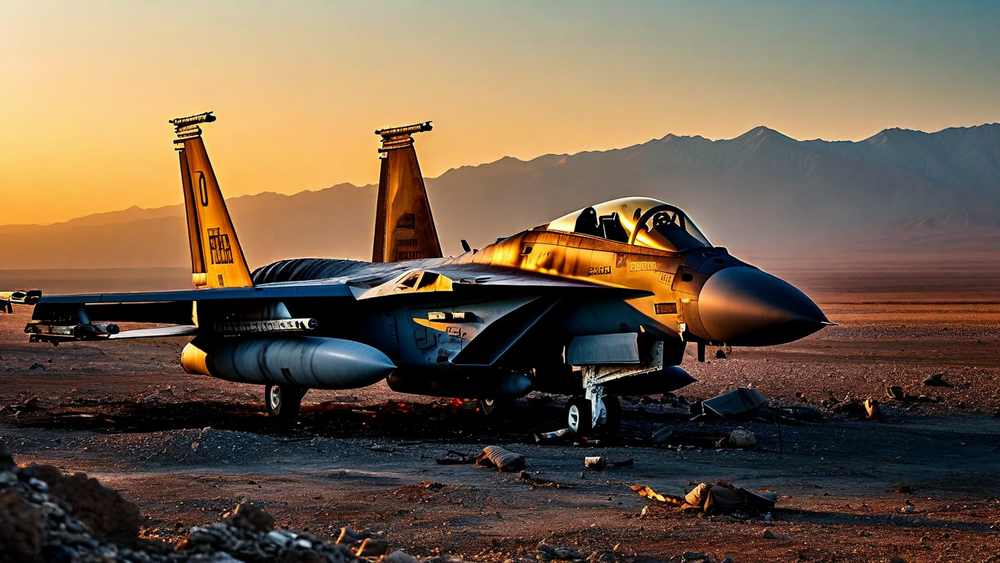
The skies over the Persian Gulf turned deadly on April 4, 2026, as a US fighter jet was shot down by Iranian Revolutionary Guard air defenses. The incident, which resulted in the capture of one US pilot and the deaths of two others, marks a direct military engagement between US and Iranian forces. This is not merely a skirmish; it is a flashpoint in long-standing geopolitical tensions that could redraw the map of Middle East alliances. The immediate aftermath saw global markets shudder. Bitcoin prices, often a barometer of risk sentiment, plummeted 8% within hours. Meanwhile, oil futures surged 12%, driven by fears of potential disruptions to the Strait of Hormuz, a critical chokepoint for global oil shipments. On April 4, 2026, a US fighter jet under the command of US Central Command was shot down over Iranian airspace by Iranian Revolutionary Guard air defenses. The incident occurred amid heightened military posturing and patrols by US forces in the Persian Gulf. The downing of the jet resulted in the capture of one US pilot and the confirmed deaths of two others. This direct military engagement between US and Iranian forces has sent shockwaves through global markets and geopolitical landscapes. The immediate cause of the incident was increased US military activity in the region, which Iran perceived as a direct threat, leading to the activation of their air defense systems. The captured pilot and the deceased service members have become central figures in the escalating narrative between the two nations. This incident is the latest chapter in a decades-long saga of US-Iran antagonism, exacerbated by increased military posturing in the Persian Gulf. The causal chain began with US Central Command's heightened patrols, perceived as a provocation by Iran, leading to the Revolutionary Guard's defensive response. The capture and deaths of US personnel have now escalated the situation, triggering immediate market reactions and raising the specter of broader conflict. Historical precedents, such as the 1988 USS Vincennes incident, which took six months to resolve, and the 2003 invasion of Iraq, which led to years of conflict, suggest that the underpriced risk here is the potential for a prolonged regional war. This is a classic example of the security dilemma, where one nation's attempt to increase security leads to a decrease in the security of others, spiraling into conflict. The immediate market reaction to the US-Iran military conflict was swift and severe. Bitcoin, often seen as a digital safe haven, dropped 8% as investors fled risk assets. Simultaneously, oil futures surged 12%, reflecting concerns over potential disruptions to the Strait of Hormuz, a critical passage for global oil trade. Gold prices increased by 200 basis points as investors sought traditional safe-haven assets. The transmission mechanism from event to market was rapid, with risk assets like Bitcoin selling off first, followed by a repricing of oil futures due to Strait of Hormuz concerns. This cross-asset spillover effect underscores the interconnectedness of global markets and the sensitivity of commodities to geopolitical events. The single most important question remaining is whether this incident will lead to a broader regional conflict. Key data releases to watch include statements from US Central Command and the Iranian Revolutionary Guard, as well as any diplomatic moves by Middle East nations. The next two weeks will be critical in determining whether this incident remains a isolated event or spirals into a wider conflict. Prediction markets for oil and defense-related stocks are likely to see significant repricing, with probabilities of further conflict increasing. The key upcoming catalyst will be the diplomatic and military responses from both the US and Iran in the next two weeks.
Major Impact Areas
- Brent crude oil futures90%
- Bitcoin futures85%
- Gold spot price75%
Predifi is an on-chain prediction market platform. Join the waitlist →
#geopolitics #prediction-markets #market-analysis #us-iran-conflict #middle-east-risk #bitcoin-volatility #oil-futures #security-dilemma