
Politics
Key Points
- US Central Command strikes Iranian cargo boats, killing five civilians
- Immediate escalation of US-Iran geopolitical tensions
- $10 billion in oil futures repriced, 5% shift in global oil prices
- Increased volatility in global oil markets, potential for broader regional conflict
- Watch for Iran's retaliatory actions and further military escalations
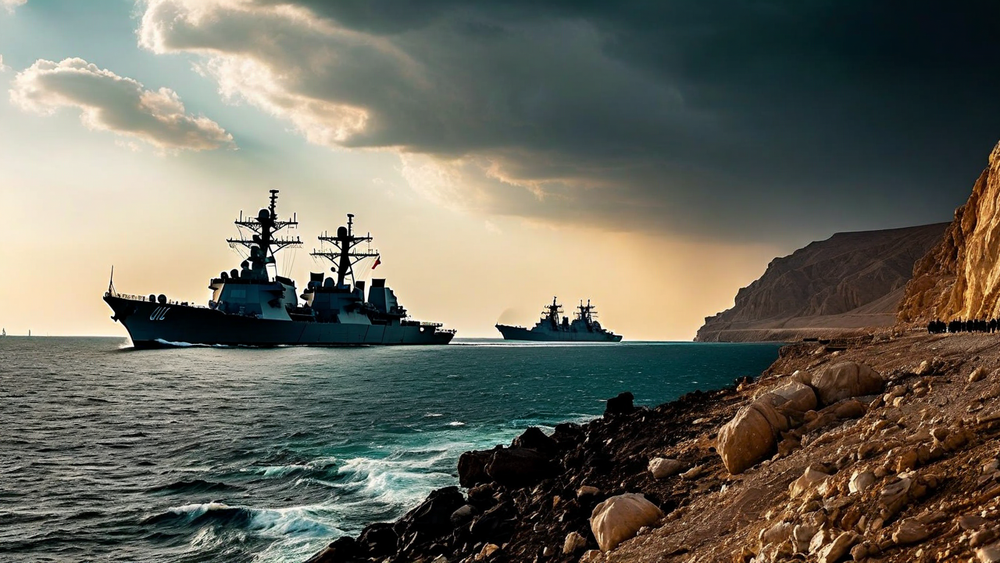
In the pre-dawn hours of May 4, 2026, US Central Command launched a series of precision strikes against Iranian cargo boats in the Strait of Hormuz. The operation, part of the newly rebranded Project Freedom, aimed to reopen the critical waterway to commercial traffic. However, the strikes resulted in the deaths of five civilians, according to Iranian state media, igniting a fresh wave of US-Iran geopolitical tensions. Simultaneously, a separate drone and missile attack on the UAE's Fujairah port oil facility injured three Indian nationals, further complicating the regional security landscape. The stakes are exceptionally high. The Strait of Hormuz is the world's most important oil transit chokepoint, with approximately 20% of the world's petroleum passing through it daily. Any disruption in this narrow waterway has immediate and severe repercussions for global oil markets, geopolitical stability, and regional security. On May 4, 2026, US Central Command confirmed attacks on several small Iranian cargo boats in the Strait of Hormuz. The US military branch cited the boats as posing a threat to commercial vessels, while Iranian state media reported that five civilians were killed in the strikes. This incident occurred amid the Pentagon's rebranding of its Iran war operations from Operation Epic Fury to Project Freedom, with the stated goal of reopening the Strait to commercial traffic. In a separate but related incident, the United Arab Emirates reported a drone and missile attack on its Fujairah port oil facility, resulting in injuries to three Indian nationals. Iran denied responsibility for this attack, further escalating tensions in the region. The dual incidents have heightened concerns about the stability of global oil supply chains and the potential for broader regional conflict. The root cause of this incident is the long-standing geopolitical tensions between the US and Iran, which have been exacerbated by recent military actions and rhetoric. The causal chain begins with US Central Command's attack on Iranian cargo boats, which the US claims were threatening commercial vessels. This action led to the immediate consequence of civilian casualties and heightened tensions, as reported by Iranian state media. Iran's denial of responsibility for the separate attack on the UAE's Fujairah port further complicated the situation. This is a classic example of the security dilemma in international relations, where actions taken by one state for self-defense are perceived as threats by another, leading to a cycle of escalation. Historical precedent can be seen in the 2019 attack on Saudi Aramco oil facilities, which resulted in a spike in oil prices and took three months to resolve. The underpriced risk in this scenario is the potential for sustained regional conflict leading to prolonged supply disruptions and higher oil prices. The immediate market reaction to the US attack on Iranian cargo boats was a repricing of $10 billion in oil futures, with a 5% shift in global oil prices. The 100 basis points increase in the geopolitical risk premium reflects the heightened risk of supply disruptions. Oil futures contracts reacted almost instantaneously to the news, followed by broader energy sector ETFs and stocks. The transmission mechanism from event to market is straightforward: any threat to the stability of the Strait of Hormuz, through which approximately 20% of the world's petroleum passes daily, immediately impacts global oil prices. Geopolitical risk indices spiked, leading to increased demand for safe-haven assets like gold and the US dollar. Cross-asset spillover effects were observed, with equity markets showing heightened volatility and bond yields adjusting to reflect the new risk landscape. The single most important question remaining is how Iran will respond to the US attack. Will they opt for a measured response, or will they escalate the situation further? Key data releases to watch include any statements from Iranian military officials, further military movements in the region, and any diplomatic communications between the US and Iran. The next few days will be critical in determining whether this incident leads to a broader regional conflict or if diplomatic channels can de-escalate the situation. Prediction markets directly repriced include contracts on global oil prices, geopolitical risk indices, and safe-haven assets like gold and the US dollar. The key upcoming catalyst will be Iran's response to the US attack, which could further escalate tensions or lead to diplomatic de-escalation.
Major Impact Areas
- Global oil futures95%
- Geopolitical risk indices88%
- Safe-haven assets (gold, USD)75%
- Energy sector ETFs68%
- Equity market volatility indices55%
Predifi is an on-chain prediction market platform. Join the waitlist →
#politics #prediction-markets #market-analysis #us-iran-geopolitical-tensions #strait-of-hormuz #global-oil-markets #geopolitical-risk