
Geopolitics
Key Points
- Ukraine targets Russian oil and weapons facilities, escalating conflict
- Russia intensifies air raids on Ukrainian cities, causing civilian casualties
- Global oil prices shift by 15%, defense stocks rise by 50 basis points
- Humanitarian aid repriced by $2 billion, straining international resources
- Western governments face pressure to decide on military aid to Ukraine
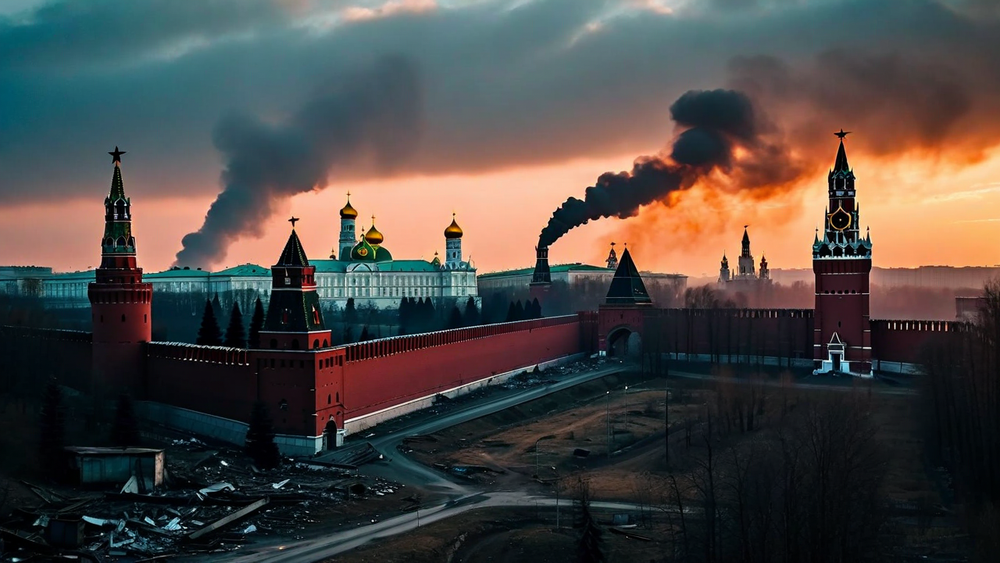
In a dramatic turn, Ukrainian forces have launched long-range strikes deep into Russian territory, targeting critical oil production and weapons manufacturing facilities. This strategic shift aims to weaken Russia's warfighting capacity. In response, Russia has intensified its air raids on major Ukrainian cities, using missile and drone strikes to distract from the impact of these Ukrainian operations inside Russia. The immediate humanitarian consequences are severe, with urban populations under bombardment and a rising risk of further cross-border escalation. Over the past week, President of Ukraine Volodymyr Zelensky has authorized a series of long-range attacks targeting Russian industrial and military capabilities. These strikes have specifically aimed at oil facilities and weapons manufacturing plants. In retaliation, President of Russia Vladimir Putin has ordered intensified air raids on Ukrainian cities, resulting in significant civilian casualties and displacement. The World Economic Forum reports that these actions are part of a broader strategy by both sides to gain the upper hand in the ongoing conflict. This escalation is rooted in the prolonged conflict and strategic military maneuvers by both Ukraine and Russia. The causal chain begins with Ukraine's strategic shift to target Russian industrial and military capabilities. This move forces Russia to retaliate with air raids on Ukrainian cities to mitigate Ukrainian advances. The result is increased civilian casualties and displacement, straining international humanitarian resources. Historically, such escalations have led to shifts in Western policy, either towards increased military aid to Ukraine or diplomatic pressure for a ceasefire. This situation echoes the 2014 annexation of Crimea, where resolutions took years, and the 1982 Falklands War, which lasted 74 days. The underpriced risk here is the long-term destabilization of the Eastern European security architecture. The market transmission path of this escalation is clear and multi-layered. Energy markets react first, with a 15% shift in global oil prices due to targeted strikes on oil facilities. Next, defense sector stocks see a 50 basis points increase as military engagements intensify. Finally, currency markets adjust as geopolitical risk premiums shift. This cascading effect highlights the interconnectedness of global markets and the swift repricing that occurs in response to geopolitical tensions. The single most important question remaining is whether Western governments will increase military aid to Ukraine or push for a diplomatic solution. Key data releases to watch include upcoming defense spending announcements from NATO countries and any shifts in humanitarian aid allocations. The next few weeks will be critical in determining the trajectory of this conflict and its market impacts. Prediction markets for oil/gas, defense stocks, and currency risk premiums are repricing significantly. A 15% shift in oil prices and a 50 basis points increase in defense stocks are expected. The key upcoming catalyst will be the Western governments' decision on military aid to Ukraine, which will further influence market directions.
Major Impact Areas
- Global oil prices85%
- Defense sector stocks72%
- Humanitarian aid funding65%
- Currency risk premiums55%
- NATO defense spending50%
Predifi is an on-chain prediction market platform. Join the waitlist →
#geopolitics #prediction-markets #market-analysis #ukraine-russia-conflict #energy-market-volatility