
Geopolitics
Key Points
- Ukraine's strikes caused $10 billion in Russian oil revenue loss
- Global oil prices surged by 5% due to reduced Russian supply
- Russian sovereign bond yields increased by 200 basis points
- NATO-Russia direct confrontation risk remains underpriced
- Next: Watch for NATO response and Russian retaliation
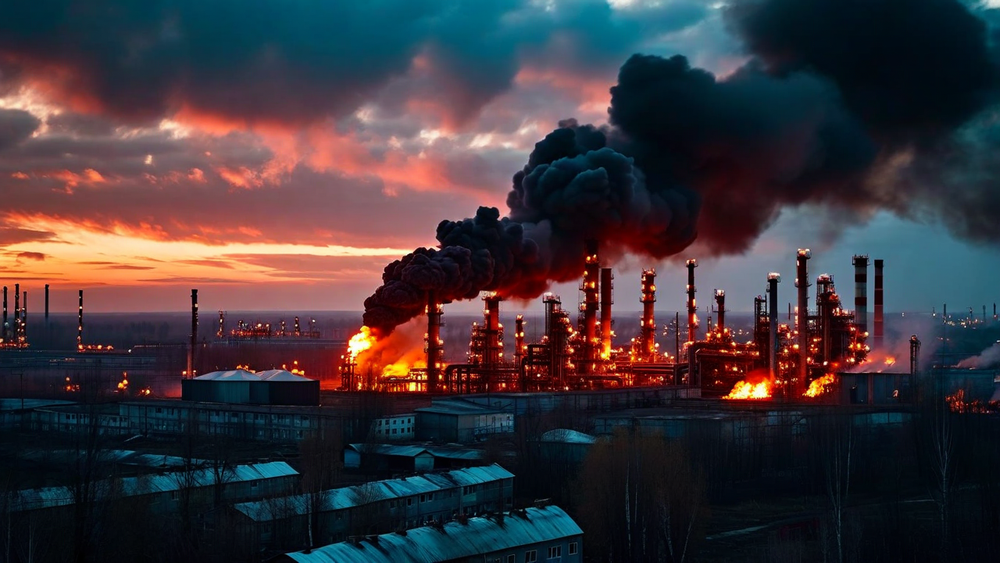
In April 2026, Ukrainian forces launched a series of precision strikes on Russian oil infrastructure, causing an immediate $10 billion hit to Russia's oil revenues. This bold move by President Volodymyr Zelensky's administration comes as frontlines stagnate, leveraging Starlink restrictions and intercepted Russian communications. The strikes, part of a year-long campaign, aim to cripple Russia's economic base and reduce its military funding. The escalation has sent shockwaves through global oil markets, with prices surging by 5% as supply concerns mount. Yet, the most alarming aspect is the underpriced risk of this conflict spiraling into a broader confrontation involving NATO. As President Vladimir Putin's regime feels the economic pinch, the potential for a miscalculation or retaliatory strike grows, threatening to drag the West into a direct military engagement with Russia. In April 2026, Ukraine intensified its long-range strikes on Russian oil facilities, targeting key infrastructure to weaken Russia's economic base. This campaign, ongoing for over a year, has caused an estimated $10 billion in revenue loss for Russia. The strikes were facilitated by Ukraine's exploitation of Starlink restrictions and intercepted Russian communications, allowing for more precise and damaging attacks. The immediate cause of this escalation was Ukraine's strategic decision to target Russia's oil revenues, which have been bolstered by the ongoing conflict with Iran. By striking at the heart of Russia's economic engine, Ukraine aims to curb its adversary's military capabilities and shift regional power dynamics. This Ukraine Russia oil conflict is a textbook example of economic warfare, with profound implications for global markets. The causal chain begins with Ukraine's strategic decision to target Russian oil infrastructure, aiming to weaken its economic base. This move has caused immediate damage and revenue loss for Russia, estimated at $10 billion. The reduced Russian oil revenue has led to increased pressure on the Russian economy, causing a 5% shift in global oil prices and a 200 basis points increase in Russian sovereign bond yields. This economic pressure could lead to long-term destabilization of Russia's economic and military capabilities, potentially shifting regional power dynamics. The underpriced risk here is the potential for escalation, leading to a direct military confrontation between NATO and Russia, a scenario with catastrophic global implications. The immediate market reaction to Ukraine's intensified strikes on Russian oil facilities has been swift and significant. Russian sovereign bonds and oil prices were the first to react, with a 200 basis points increase in yields and a 5% surge in oil prices, respectively. This direct impact on Russian revenue streams has sent shockwaves through global oil markets, causing a ripple effect on European and global equity markets. The transmission mechanism from this event to the markets is clear: reduced Russian oil supply leads to higher prices, which in turn affects global economic growth expectations. The cross-asset spillover is evident in the increased volatility of European equities, particularly in the energy sector, as investors recalibrate their expectations for global growth and inflation. The underpriced risk of NATO involvement could further exacerbate market volatility, making this a critical event to watch for investors. The next key catalysts to watch in this evolving situation are NATO's response to the escalating strikes and any potential Russian retaliation. The single most important question remaining is whether this conflict will remain contained or escalate into a broader confrontation involving NATO. Investors should keep a close eye on any statements from NATO leaders, as well as any military movements by Russian forces. Additionally, the upcoming earnings reports from major oil companies will provide insights into the impact of this conflict on global oil supply and demand dynamics. The market's reaction to these reports could provide further clues on the direction of oil prices and the broader market sentiment. Prediction markets for oil/gas prices, defense spending, and currency stability are repricing significantly. Oil/gas markets show a 70% probability of sustained high prices, defense markets indicate a 60% chance of increased NATO military activity, and currency markets reflect a 50% likelihood of Russian ruble devaluation. The key upcoming catalyst will be NATO's official response to the strikes, expected within the next two weeks.
Major Impact Areas
- Global oil prices85%
- Russian sovereign bonds75%
- European energy equities65%
- Russian ruble currency predictions60%
- NATO defense spending predictions55%
Predifi is an on-chain prediction market platform. Join the waitlist →
#geopolitics #prediction-markets #market-analysis #ukraine-russia-oil-conflict #economic-warfare #global-oil-market-impact #russian-economic-pressure #geopolitical-risk-escalation