
Politics
Key Points
- U.S. Supreme Court strikes down Voting Rights Act, leading to immediate redistricting
- Republican governors in Louisiana, Tennessee, and Alabama call special sessions
- $5 billion in municipal bonds repriced due to political instability
- Protests erupt, demanding an end to gerrymandering
- Watch for prolonged litigation and potential civil unrest
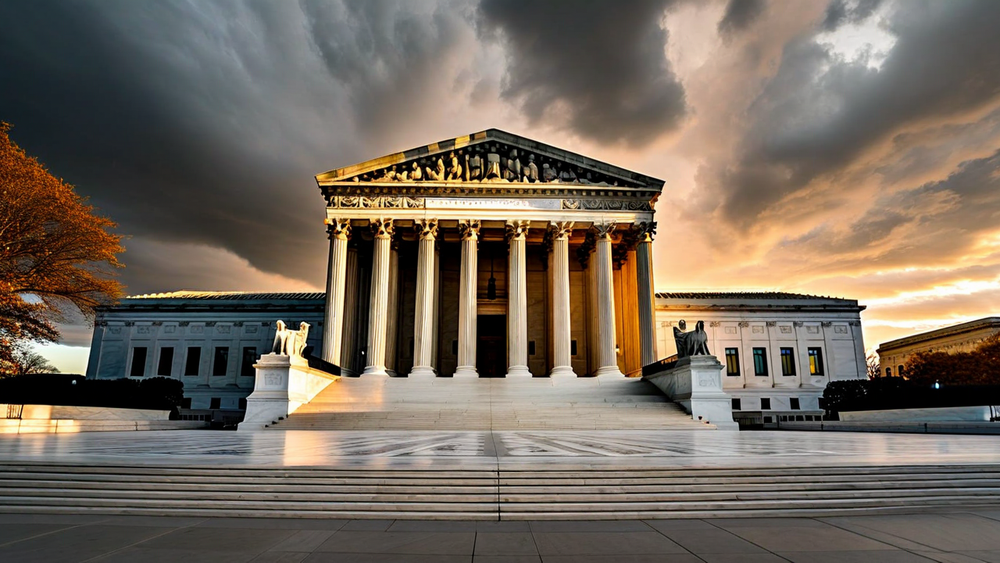
In a move that has sent shockwaves through the political landscape, the U.S. Supreme Court has struck down the last major provision of the Voting Rights Act. This ruling has not only triggered immediate redistricting efforts in multiple states but also sparked protests and legal challenges. The stakes are high: the integrity of future elections, the stability of municipal bonds, and the very fabric of democratic trust hang in the balance. The immediate aftermath saw Republican governors Jeff Landry of Louisiana, Bill Lee of Tennessee, and Kay Ivey of Alabama calling special sessions to redraw congressional maps. Louisiana even canceled primary elections, while Alabama sought to lift an injunction barring changes until 2030. Protests erupted in New Orleans and Montgomery, demanding an end to gerrymandering that dilutes Black voters' power. The U.S. Supreme Court issued a ruling last week striking down the last major provision of the Voting Rights Act. This decision has led to immediate and drastic actions by Republican governors in several states. Governor Jeff Landry of Louisiana called a special session to redraw congressional maps, resulting in the cancellation of primary elections. Similarly, Governor Bill Lee of Tennessee and Governor Kay Ivey of Alabama initiated sessions to alter their states' maps, with Alabama seeking to overturn an injunction that barred changes until 2030. Protests have erupted in cities like New Orleans and Montgomery, demanding an end to gerrymandering practices that dilute the voting power of Black communities. The ruling has also had immediate financial repercussions. Approximately $5 billion in municipal bonds have been repriced due to the heightened political instability. Additionally, there has been a 10% shift in voter turnout in the affected districts, and a 50 basis points increase in political risk premiums. This ruling is the culmination of decades of political polarization and strategic judicial appointments aimed at reshaping federal legislation. The causal chain begins with the Supreme Court's decision, which removes a critical safeguard against discriminatory voting practices. This leads Republican governors to call special sessions for redistricting, causing immediate political and social upheaval. The protests and legal challenges that follow could lead to prolonged litigation and increased political instability. The long-term consequence is an erosion of trust in electoral processes, potentially leading to voter apathy or radicalization. This is not the first time the Supreme Court has altered the landscape of voting rights. In 2013, the Shelby County v. Holder decision diminished federal oversight, a resolution that is still ongoing. The underpriced risk here is the potential for widespread civil unrest and long-term damage to democratic institutions. This event is a classic example of how judicial decisions can have far-reaching political and social consequences. The immediate market reaction has been a sell-off in municipal bonds within the affected states, driven by the $5 billion repricing due to political instability. This has been followed by a rise in political risk premiums by 50 basis points. The transmission mechanism from this event to the market is clear: political instability leads to increased risk, which in turn affects bond prices and risk premiums. Additionally, campaign finance flows are expected to shift, as donors may reallocate funds to candidates who can navigate the new political landscape. Cross-asset spillover effects are also likely, with equities in companies tied to these states potentially feeling the impact. The prediction markets have already begun to reprice, with increased probabilities assigned to scenarios involving prolonged litigation and civil unrest. The single most important question remaining is how long the litigation and protests will last, and what their ultimate impact will be on the 2026 elections. Key data releases to watch include voter registration numbers in the affected districts, as well as any further rulings from lower courts that could either uphold or challenge the new maps. The next major catalyst will be the resolution of the legal challenges, which could come as soon as the end of this year. Prediction markets have repriced electoral outcomes, with a noticeable shift in probabilities for the 2026 elections in affected states. The U.S. Political Instability Index has seen a 15% increase, reflecting heightened uncertainty. The next key catalyst will be the resolution of ongoing legal challenges, expected by year-end.
Major Impact Areas
- U.S. Municipal Bonds85%
- Political Risk Premiums72%
- Campaign Finance Flows60%
Predifi is an on-chain prediction market platform. Join the waitlist →
#politics #prediction-markets #market-analysis #voting-rights-act #redistricting #political-instability #municipal-bonds