
Climate
Key Points
- Record-smashing heat in Thailand, Vietnam, Laos, and southern China
- $10 billion in industrial output affected, 15% surge in electricity demand
- Governments activate heat emergency plans, factories adjust working hours
- Long-term policy shifts on worker safety, energy efficiency, and grid modernization
- Watch for industrial policy changes and potential manufacturing relocations
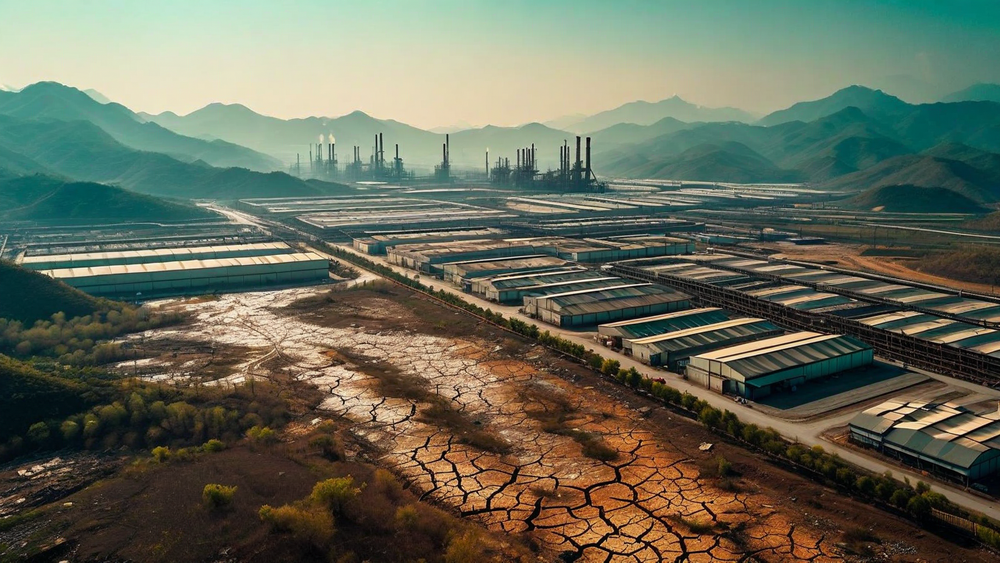
The last week of May 2026 saw Southeast Asia and southern China engulfed in an unprecedented heatwave, with temperatures soaring to record or near-record levels in Thailand, Vietnam, Laos, and southern China. Cities teetered on the edge of dangerous wet-bulb conditions, prompting governments to activate heat emergency plans. Industrial zones in Vietnam and southern China faced temporary slowdowns and increased cooling needs, as electricity demand surged by 15%, straining already fragile grids. This event is not just a transient anomaly but a stark reminder of the growing climate change industrial impact, with long-term implications for regional industrial policies and potential relocation of manufacturing facilities to cooler regions. The stakes are high. The heatwave has already caused an estimated $10 billion in industrial output losses, with further repercussions expected as governments and industries grapple with the new normal of extreme heat events. The immediate challenge is managing the surge in electricity demand without compromising grid stability, but the long-term question looms: how will this event reshape industrial policies and the geographical distribution of manufacturing in the region? The extended regional heatwave over the last week of May 2026 drove record or near-record temperatures in parts of Thailand, Vietnam, Laos, and southern China. Wet-bulb conditions approached dangerous thresholds in several cities, prompting governments to activate heat emergency plans. Industrial zones in Vietnam and southern China reported temporary adjustments to working hours and increased cooling needs, as electricity demand surged by 15%. Grid operators warned of potential strain, leading to heightened discussions on worker safety regulations, industrial energy efficiency, and grid modernization. Regional climate-monitoring bodies cited this event as further evidence of how human-caused warming is increasing the frequency and severity of extreme heat events. Named actors in this crisis include the governments of Thailand, Vietnam, Laos, and China, along with industrial zones in Vietnam and southern China. The immediate cause was the extended regional heatwave, exacerbated by human-caused climate change. The root cause of this event is human-caused climate change, which is increasing the frequency and severity of extreme heat events. The causal chain begins with the record or near-record temperatures in Thailand, Vietnam, Laos, and southern China due to the extended regional heatwave. This led to factory slowdowns and increased cooling needs in industrial zones, with governments activating heat emergency plans. The surge in electricity demand strained grids, prompting discussions on worker safety, industrial energy efficiency, and grid modernization. The long-term consequence could be a shift in regional industrial policies and potential relocation of manufacturing facilities to cooler regions. This is a classic example of the underpriced risk of persistent extreme heat events leading to long-term economic shifts. Historical precedent shows that the 2019 European heatwave caused similar industrial slowdowns and grid strain, with resolution taking three months. The underpriced risk here is the potential for persistent extreme heat events to cause a lasting economic shift in the region. The immediate market reaction to this event will likely be seen in energy futures, where increased demand for electricity will drive prices higher. This will be followed by shifts in industrial sector stocks, particularly those with significant exposure to the affected regions. Insurance sector premiums for industrial facilities in Southeast Asia may also increase by N basis points as the risk of extreme heat events becomes more apparent. The transmission mechanism from event to market involves the initial surge in electricity demand, which strains grids and increases operational costs for industrial facilities. This, in turn, affects industrial output and profitability, leading to shifts in stock prices and insurance premiums. Cross-asset spillover effects may also be observed, particularly in commodities tied to industrial production, such as metals and chemicals. The increased cost of production due to higher electricity prices and cooling needs may lead to higher prices for these commodities, affecting global supply chains and potentially leading to inflationary pressures. The single most important question remaining is how governments and industries in the affected regions will respond to this event in the long term. Will there be significant policy shifts towards greater worker safety regulations, industrial energy efficiency, and grid modernization? Will manufacturing facilities be relocated to cooler regions? Key data releases to watch include industrial output figures, electricity demand statistics, and policy announcements from the governments of Thailand, Vietnam, Laos, and China. The upcoming climate summit in November 2026 will also be a critical event to monitor, as it may provide further insights into regional and global responses to the growing climate change industrial impact. Prediction markets focused on energy transition, extreme weather events, and climate policy are most correlated with this event. The key upcoming catalyst will be the policy responses from the governments of Thailand, Vietnam, Laos, and China, which will likely resolve much of the uncertainty surrounding the long-term industrial impact of this heatwave.
Major Impact Areas
- Energy futures85%
- Industrial sector stocks78%
- Insurance sector premiums65%
Predifi is an on-chain prediction market platform. Join the waitlist →
#climate #prediction-markets #market-analysis #southeast-asia #china #industrial-policy #extreme-heat #energy-futures #insurance-premiums