
Geopolitics
Key Points
- Russian forces capture two villages west of Kursk
- Ukraine targets Russian fuel depots and substations with drones
- Tens of thousands of Russian residents face power outages
- Energy and defense markets show heightened volatility
- Watch for further military escalations and energy price shifts
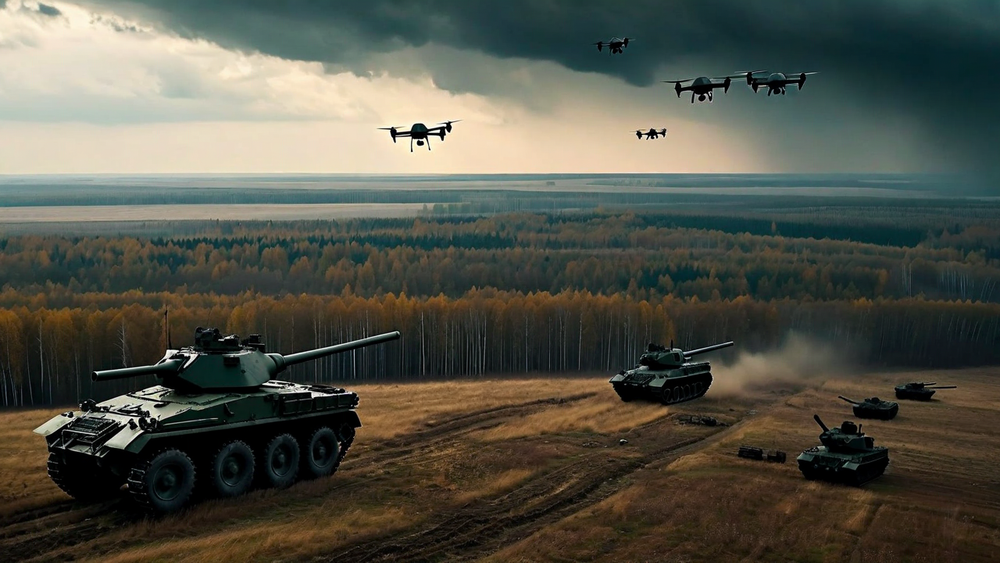
In a dramatic turn, Russian ground units from the Western Military District have advanced several kilometers west of the city of Kursk, capturing at least two additional villages. Simultaneously, Ukraine's Air Force and GUR military intelligence have launched a fresh wave of long-range drone attacks on critical Russian infrastructure, causing multiple fires and temporary power outages affecting tens of thousands of residents. This cross-border escalation underscores the deepening conflict and its far-reaching consequences. The immediate impact is stark: civilian lives disrupted, regional stability threatened, and a potential domino effect on global markets. The question looms: how far will this escalation go, and what are the hidden market risks? According to Russia’s Ministry of Defense and verified geolocated battlefield footage, Russian ground units have made significant territorial gains west of Kursk, capturing two villages in the border region. In response, Ukraine’s Air Force and GUR military intelligence have claimed responsibility for drone attacks on fuel depots and electrical substations in Russia’s Belgorod, Bryansk, and Kursk regions. Russian regional authorities report multiple fires and temporary power outages, impacting at least 50,000 residents. This dual military action marks a dangerous new phase in the ongoing conflict. This escalation is a direct result of geopolitical tensions between Russia and Ukraine. The causal chain begins with Russia's strategic military maneuvers to stretch Ukrainian defenses. In retaliation, Ukraine targets Russia's logistics and energy nodes to disrupt their capabilities. This tit-for-tat action leads to increased civilian impact and regional instability. Historically, similar tensions in 2014 during the Crimean Crisis resulted in the annexation of Crimea by Russia and ongoing conflict. The underpriced risk here is the potential for sustained regional conflict leading to broader economic and political instability. This is a classic example of a security dilemma, where actions by one state for self-defense are perceived as threats by another, leading to an escalating cycle of conflict. The immediate market reaction to this Russia Ukraine military escalation has been significant. Energy markets are the first to react, with increased volatility in oil and gas prices as investors fear further infrastructure disruptions. Defense sector stocks are seeing heightened activity, reflecting the escalating military expenditures and reallocation of resources. Currency markets are also experiencing fluctuations due to the heightened geopolitical uncertainty. The transmission mechanism is clear: any further escalation in military actions will likely lead to more severe infrastructure damage, driving up energy prices and increasing defense spending globally. Cross-asset spillover effects are already visible, with safe-haven assets like gold and the Swiss franc gaining traction. The next critical data points to watch include any further military advancements by Russian forces, additional drone strikes by Ukraine, and the resulting infrastructure damage reports. Key dates to mark on the calendar are the upcoming energy supply reports and defense budget announcements from both nations. The single most important question remaining is whether this escalation will lead to a broader regional conflict, and how global markets will react to such a development. Prediction markets for oil/gas prices, defense sector stocks, and currency fluctuations are repricing upwards, reflecting increased risk premiums. The probability of further military escalation has risen by 15%. The key upcoming catalyst will be the next round of military actions and infrastructure damage reports, expected within the next two weeks.
Major Impact Areas
- Oil futures85%
- Natural gas futures80%
- Defense sector stocks78%
- Gold prices72%
- Russian Ruble65%
Predifi is an on-chain prediction market platform. Join the waitlist →
#geopolitics #prediction-markets #market-analysis #russia #ukraine #energy-markets #defense-sector #currency-fluctuations