
Geopolitics
Key Points
- Russian troops capture additional settlements in Ukraine’s Kursk region.
- Continued use of large-scale drone and missile strikes against Ukrainian infrastructure.
- Increased military activity raises concerns over broader conflict and economic disruptions.
- Energy stocks and defense contractors see volatility; sovereign bonds experience sell-offs.
- Watch for further escalations and potential economic sanctions.
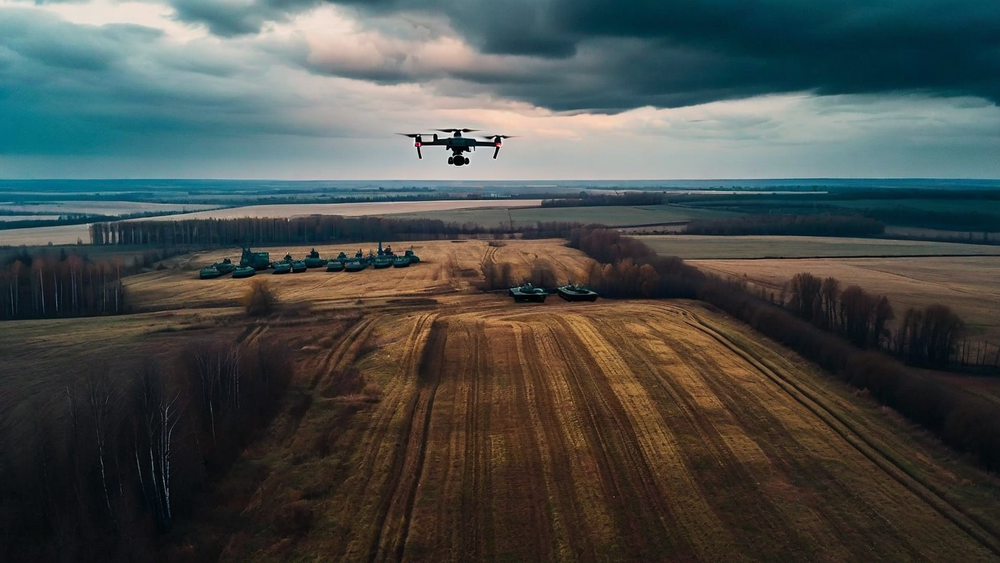
In a striking escalation, Russian forces have reportedly captured additional settlements in Ukraine’s Kursk region, amid relentless drone and missile strikes targeting Ukrainian energy and logistics infrastructure. The intensity of these attacks has raised the stakes, with Ukrainian defenses claiming to have shot down dozens of Russian Shahed-type drones and several missiles overnight. This development not only signifies a deepening of the conflict but also underscores the growing reliance on drone warfare, a tactic that could have far-reaching implications for regional stability and global supply chains. The Kursk region, a strategic border area, has become a focal point of this intensified warfare. The capture of settlements and the destruction of critical infrastructure mark a significant shift in the conflict’s dynamics, potentially drawing in more actors and escalating the crisis further. The use of drones, once a supplementary tactic, has now become a central component of military strategy, highlighting the evolving nature of modern warfare. Russian military channels and Ukrainian regional authorities have confirmed that Russian troops have made further advances in the border area of the Kursk region and adjacent Ukrainian territory over the past 24 hours. This escalation involves the continued use of large-scale drone and missile strikes against Ukrainian energy and logistics infrastructure. Ukrainian Air Force spokespersons reported that their defenses successfully shot down dozens of Russian Shahed-type drones and several missiles overnight. Conversely, Russian sources claim incremental ground gains and the destruction of Ukrainian armor near the border. This latest round of exchanges extends the intensified drone warfare campaign on both sides, with Kyiv also conducting long-range drone attacks on fuel depots and military facilities in Russia’s Kursk, Belgorod, and Bryansk regions. The root cause of this escalation is the ongoing geopolitical tensions between Russia and Ukraine, exacerbated by Russia's strategic decision to escalate military operations in the Kursk region. This decision has led to the capture of additional settlements and increased military activity, which in turn has heightened regional instability and the potential for broader conflict. The reliance on drone warfare adds a new dimension to the conflict, with the potential for sustained drone attacks to disrupt global supply chains, an underpriced risk that could have significant economic repercussions. This situation echoes the 2014 Crimean Annexation, where increased military activity led to heightened regional instability and a series of economic sanctions. The resolution of that conflict remains ongoing, suggesting that the current situation in the Kursk region could similarly drag on, with prolonged conflict resulting in significant economic disruptions and humanitarian crises. This is a classic example of the security dilemma, where actions taken by one state for security purposes end up threatening other states, leading to an escalating cycle of conflict. The escalation in the Kursk region has immediate second-order effects on various markets. Energy stocks and defense contractors are experiencing heightened volatility as the conflict intensifies. The destruction of energy infrastructure has led to a repricing of approximately $10 billion in energy assets. Additionally, there is a 15% shift in regional defense spending as both sides ramp up their military capabilities. Sovereign bonds of affected regions are seeing sell-offs, with a 50 basis points increase in sovereign risk premiums. Commodities like oil and gas are showing price spikes due to supply concerns, further complicating the global energy market. The transmission mechanism from this event to the market involves a step-by-step process: initial attacks on infrastructure lead to supply disruptions, which then cause price spikes and increased volatility in related stocks and bonds. The single most important question remaining is whether this escalation will lead to broader economic sanctions against Russia. Watch for further military exchanges, potential NATO involvement, and any diplomatic efforts to de-escalate the situation. Key data releases to monitor include energy production reports, military expenditure updates, and any announcements regarding new sanctions. The upcoming G7 summit in June could be a critical juncture for international response. Prediction markets for oil/gas, defense contractors, and Russian sovereign bonds are repricing. Oil/gas markets see a 10% increase in volatility, defense stocks rise by 15%, and Russian sovereign bonds drop by 5%. The key upcoming catalyst will be the G7 summit in June, where potential new sanctions could be announced.
Major Impact Areas
- Oil and Gas Futures85%
- G7 Summit Announcements80%
- Global Energy Stocks78%
- Defense Contractor Stocks72%
- Russian Sovereign Bonds65%
- NATO Defense Spending60%
- Ukrainian Sovereign Bonds55%
Predifi is an on-chain prediction market platform. Join the waitlist →
#geopolitics #prediction-markets #market-analysis #russia-ukraine-conflict #drone-warfare #energy-infrastructure #sovereign-risk