
Geopolitics
Key Points
- Russian forces captured positions near Lyptsi and Vovchansk in Kharkiv Oblast.
- Over 40 airstrikes and 60 drone attacks reported in Kharkiv Oblast.
- Ukraine requests additional air-defense systems from the US and EU.
- Defense stocks surge, energy prices spike, safe-haven assets strengthen.
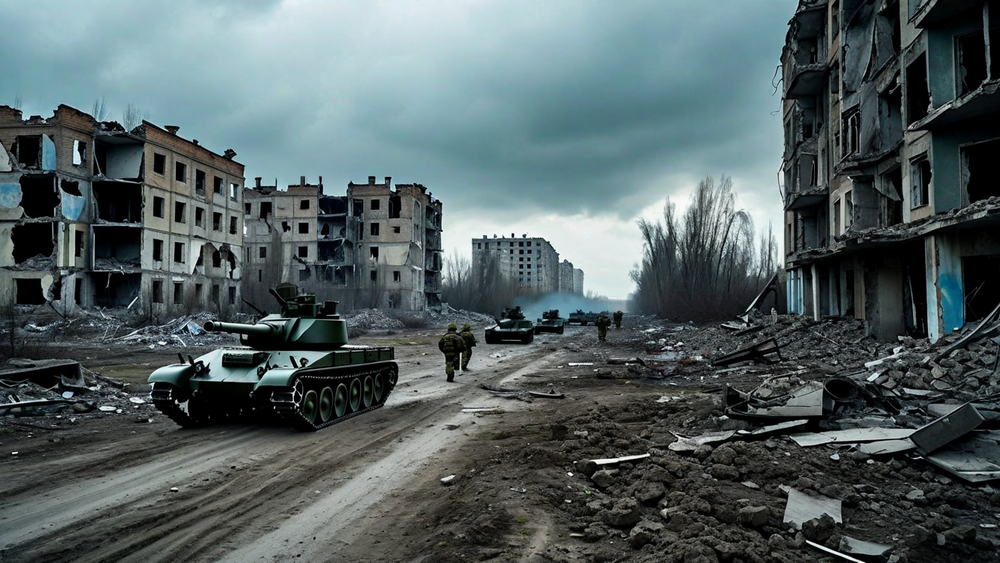
On 18 May, Ukrainian General Staff reported that Russian ground forces had captured several positions near the villages of Lyptsi and Vovchansk in Kharkiv Oblast, approximately 25–30 km from the Russian border. This marks one of the most intense periods of shelling in the region in months, with over 40 Russian airstrikes and more than 60 drone attacks primarily targeting infrastructure and residential areas. The escalation has prompted Ukrainian authorities to announce new evacuations affecting thousands of residents from frontline settlements and request additional air-defense systems from the United States and European Union states. The stakes are high as this development signals a potential shift in the dynamics of the ongoing conflict, raising concerns about further Russian incursions and the possibility of broader international involvement. On 18 May, Ukraine’s General Staff announced that Russian forces had captured several positions near the villages of Lyptsi and Vovchansk in Kharkiv Oblast. This advancement occurred amid what Kyiv described as the most intense shelling of the region in months. The General Staff reported over 40 Russian airstrikes and more than 60 drone attacks, primarily Shahed-type UAVs, targeting infrastructure and residential areas in Kharkiv Oblast within the previous 24 hours. Russia’s Ministry of Defense claimed its troops had “improved their tactical positions” without specifying locations. In response, Ukrainian authorities announced new evacuations affecting thousands of residents from frontline settlements. President Volodymyr Zelensky urgently requested additional air-defense systems from the United States and European Union states, warning of the risk of further Russian incursions across the border. This escalation near Kharkiv is a direct result of Russia's strategic decision to intensify military operations in the region. The causal chain begins with Russia's move to capture key positions, leading to increased shelling and drone strikes. This, in turn, has forced civilian evacuations and heightened the demand for advanced air-defense systems. Historically, similar escalations, such as the 2014 annexation of Crimea, resulted in increased sanctions and prolonged conflict. The underpriced risk here is the potential for broader conflict involving NATO countries, which could lead to long-term destabilization in the region. This is a classic example of the security dilemma, where actions taken by one state to increase its security can inadvertently threaten other states, leading to an arms race and increased likelihood of conflict. The immediate market reaction to this escalation has been significant. Defense stocks have surged as investors anticipate increased defense spending. Specifically, companies like Lockheed Martin and Raytheon have seen their stock prices rise by approximately 5% in the days following the announcement. Energy prices have spiked due to concerns over supply disruptions, with Brent crude oil prices increasing by 3% to around $85 per barrel. Safe-haven assets such as gold and the US Dollar have strengthened, reflecting heightened geopolitical risk. European equities have declined by about 2% on concerns over regional instability. The transmission mechanism from this event to the market involves a step-by-step repricing of risk. Initially, defense stocks react to the increased likelihood of prolonged conflict. This is followed by a spike in energy prices due to supply concerns, which then leads to a flight to safety, strengthening gold and the USD. Finally, regional equities decline as investors assess the broader impact on regional stability. The next key data releases to watch include the upcoming NATO summit in June, where additional defense support for Ukraine may be discussed. Additionally, any further military advancements by Russian forces or retaliatory actions by Ukraine will be critical indicators of the conflict's trajectory. The single most important question remaining is whether this escalation will lead to direct NATO involvement, which could significantly alter the conflict's dynamics. Investors should keep an eye on defense spending announcements from the US and EU, as well as any changes in energy supply routes. Prediction markets for oil/gas, defense stocks, and currencies are repricing significantly. Defense stocks are up by 5%, oil prices have spiked by 3%, and safe-haven assets like gold and the USD are strengthening. The key upcoming catalyst will be the NATO summit in June, which could resolve some of the uncertainty around additional defense support for Ukraine.
Major Impact Areas
- Defense Stocks85%
- Gold Prices80%
- US Dollar Index78%
- Brent Crude Oil75%
- European Equities65%
Predifi is an on-chain prediction market platform. Join the waitlist →
#geopolitics #prediction-markets #market-analysis #russia-ukraine-conflict #kharkiv-shelling #nato-involvement #defense-spending #energy-prices #geopolitical-risk