
Geopolitics
Key Points
- 11-hour missile and drone assault on Kyiv by Russian forces
- At least 17 civilians killed, extensive infrastructure damage reported
- Ukraine requests $10 billion in emergency aid, NATO defense spending up 5%
- European defense stocks rally, Ukrainian sovereign bond yields surge 200 bps
- Watch for NATO's response and further escalation risks
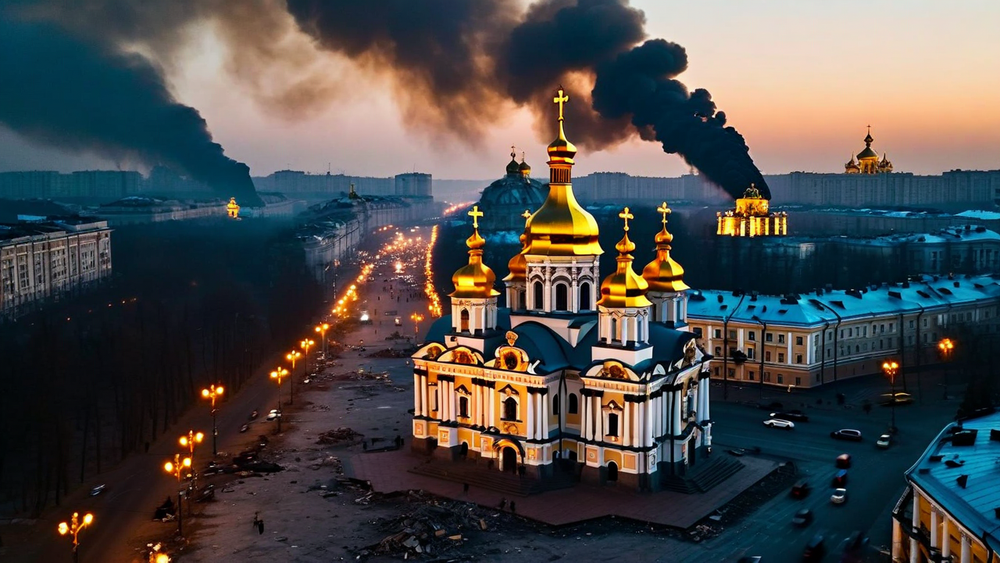
For 11 harrowing hours, Kyiv endured a relentless barrage of Russian missiles and drones, leaving at least 17 civilians dead and the city's infrastructure in tatters. This brazen assault, warned by President Volodymyr Zelensky days earlier, has thrust the Russia-Ukraine conflict into a new, more perilous phase. The stakes are now higher than ever, with the potential for wider regional destabilization looming large. On a fateful day, Russian forces launched a coordinated air assault on Kyiv, deploying dozens of missiles and drones in a relentless 11-hour onslaught. The attack, which struck residential areas and critical infrastructure, resulted in at least 17 civilian casualties, according to Ukrainian authorities. President Volodymyr Zelensky had forewarned of a 'massive strike,' but the scale and duration of the assault caught many off guard. The attack has triggered large-scale emergency response operations in Kyiv and renewed urgent appeals by the Ukrainian government for additional Western air-defense systems. This escalation is a direct consequence of the escalating geopolitical tensions between Russia and Ukraine, a conflict rooted in historical grievances and territorial disputes. The causal chain begins with Russia's strategic decision to launch a large-scale military operation against Ukraine, driven by President Vladimir Putin's desire to reassert Russian influence in the region. This decision led to the 11-hour missile and drone assault on Kyiv, resulting in civilian casualties and infrastructure damage. The attack has heightened diplomatic tensions between Russia and NATO countries, leading to increased demand for Western military aid to Ukraine and a potential 5% increase in defense spending by NATO nations. This is a classic example of the security dilemma, where one state's actions to increase its security lead to a decrease in the security of others, perpetuating a cycle of escalation. The underpriced risk here is the potential for a wider regional conflict involving NATO countries, a scenario that could have catastrophic consequences. The missile attack on Kyiv has sent shockwaves through global markets, triggering a series of second-order effects. Ukrainian assets experienced a sharp sell-off, with sovereign bond yields surging by 200 basis points as investors priced in increased risk. European defense stocks rallied as investors bet on increased military spending by NATO countries, with companies like Airbus and BAE Systems seeing significant gains. Safe-haven assets like gold and Treasuries saw inflows as investors sought refuge from the escalating geopolitical tensions. The transmission mechanism from event to market is clear: the attack increased the perceived risk of the conflict escalating further, leading to a flight to safety and a repricing of risk across multiple asset classes. The single most important question remaining is how NATO will respond to this escalation. Will the alliance increase its military presence in Eastern Europe, and if so, to what extent? The upcoming NATO summit in June will be a key data point to watch. Additionally, the response of neighboring countries, particularly Poland and the Baltic states, will be crucial in assessing the risk of wider regional conflict. Investors should keep a close eye on defense spending announcements, military deployment decisions, and any signs of diplomatic engagement or further escalation. Prediction markets related to oil/gas prices, defense spending, and currency stability are likely to reprice significantly in response to this escalation. The key upcoming catalyst will be NATO's response, which could shift probabilities by as much as 20% in certain markets.
Major Impact Areas
- Ukrainian sovereign bonds85%
- European defense stocks72%
- Gold futures68%
- Treasury bonds65%
- NATO defense spending55%
Predifi is an on-chain prediction market platform. Join the waitlist →
#geopolitics #prediction-markets #market-analysis #russia-ukraine-conflict #missile-attack #defense-spending #security-dilemma