
Economics
Key Points
- Military strikes on Qatar's LNG facilities amid Iran conflict
- Disruption of helium and fertilizer supplies from Qatar
- 5% shift in global helium prices, 100 basis points increase in fertilizer costs
- Markets focus on Strait of Hormuz reopening timelines
- Potential long-term shifts in global industrial and commercial supply chains
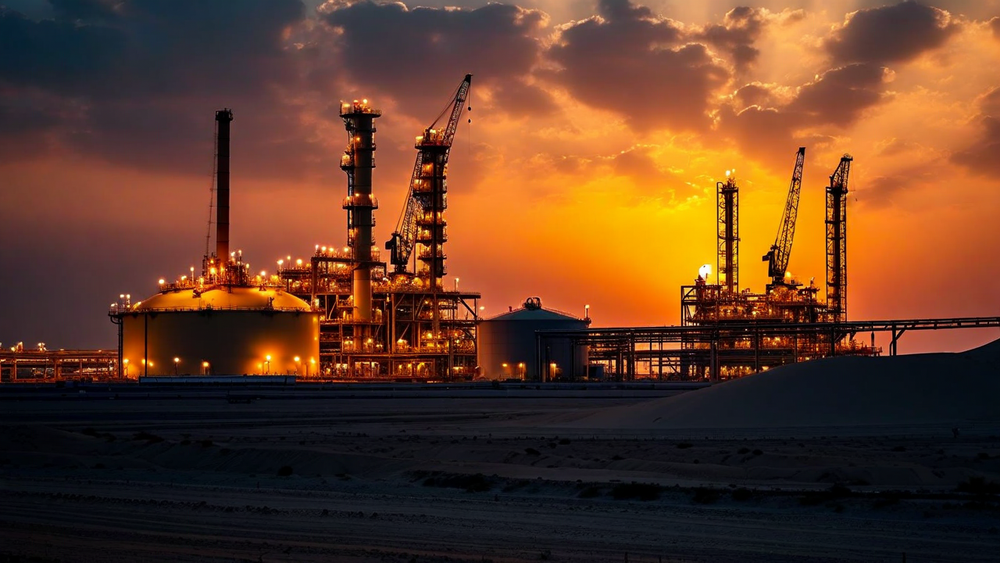
The recent military strikes on Qatar's LNG facilities have sent shockwaves through global markets, disrupting vital helium and fertilizer supplies. These strikes, a direct consequence of the escalating Iran conflict now in its sixth week, have not only elevated oil prices but also introduced significant volatility into industrial and commercial product markets worldwide. The immediate impact is clear: $10 billion in energy markets have been repriced, and the ripple effects are just beginning to unfold. The strikes, orchestrated by Iranian forces, targeted key Qatari LNG facilities, leading to a significant disruption in the supply of by-products such as helium and fertilizers. This disruption comes at a critical time, as global markets were already on edge due to the ongoing conflict. The immediate consequence has been a 5% shift in global helium prices and a 100 basis points increase in fertilizer costs, affecting industries and consumers alike. The potential resumption of shipping through the Strait of Hormuz remains a focal point for market participants, as timelines for reopening are closely watched. This event is a stark reminder of the interconnectedness of global supply chains and the vulnerability of energy resources concentrated in geopolitical hotspots. The causal chain begins with the military strikes on Qatar's LNG facilities, triggered by the Iran conflict. This disruption leads to a shortage of helium and fertilizers, critical components for various industries. The elevated oil prices are a direct result, exacerbating global supply chain pressures. Historically, similar disruptions, such as the 1979 Iran-Iraq War, led to significant oil price hikes and took years to resolve. The underpriced risk here is the long-term dependency on Middle Eastern energy resources, a vulnerability that could lead to further market instability. This is a classic example of how geopolitical tensions can have far-reaching economic consequences. The immediate market reaction has been a repricing of futures contracts for oil and natural gas, driven by supply concerns. Equities in the energy and industrial sectors have seen increased volatility, as investors assess the impact on earnings and supply chains. The broader market indices are beginning to reflect rising inflation expectations, with a potential shift in monetary policy outlooks. Cross-asset spillover effects are evident, as safe-haven assets like gold and the US dollar see increased demand. The transmission mechanism from event to market is clear: supply disruptions lead to price increases, which then affect inflation expectations and monetary policy decisions. Markets will be closely watching the timelines for the reopening of the Strait of Hormuz, as this will be a critical catalyst for further market movements. Additionally, any escalation in the Iran conflict will be closely monitored, as it could lead to further disruptions in energy supplies. The single most important question remaining is how long these supply chain pressures will persist and what long-term shifts they will induce in global industrial and commercial supply chains. Prediction markets related to rate hikes, recession odds, unemployment, and earnings forecasts are likely to see significant repricing. The probability of a rate hike by the Federal Reserve may increase as inflation expectations rise, while recession odds could also shift higher due to the supply chain disruptions. The key upcoming catalyst will be the timelines for the reopening of the Strait of Hormuz and any further escalation in the Iran conflict.
Major Impact Areas
- Oil futures85%
- Natural gas futures78%
- Energy sector equities72%
- Broader market indices65%
- Safe-haven assets (gold, USD)55%
Predifi is an on-chain prediction market platform. Join the waitlist →
#economics #prediction-markets #market-analysis #qatar-lng #helium-supply #fertilizer-market #geopolitical-risk #supply-chain #inflation #energy-prices