
Politics
Key Points
- Three people dead, dozens injured in nationwide protests
- Proposed tax hikes aimed to raise $2.7 billion
- Government suspends bill amid rising public discontent
- Markets react with increased volatility and risk premiums
- Watch for comprehensive review outcomes and political stability
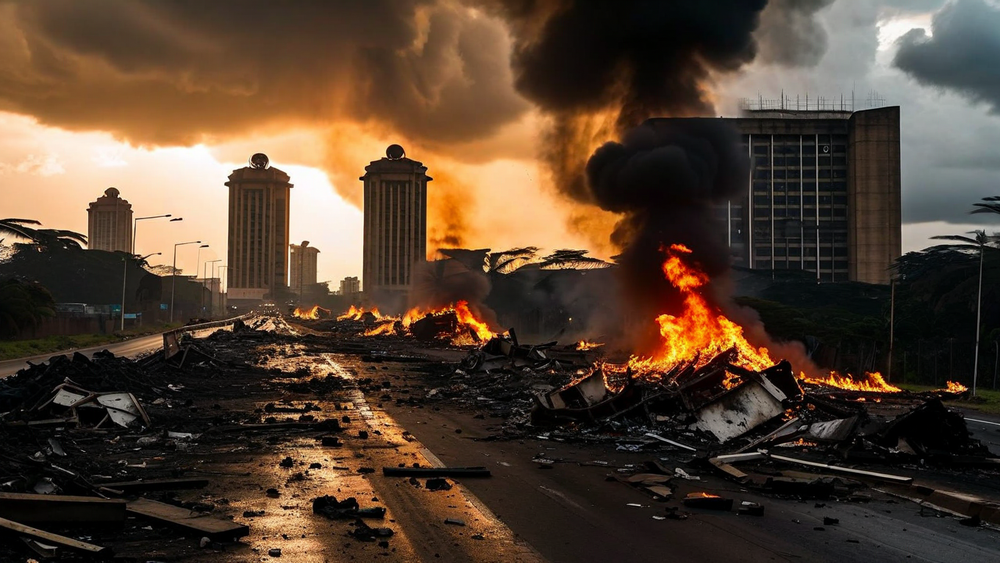
In a dramatic turn of events, the Kenyan government has suspended the controversial 2026 Finance Bill after nationwide protests turned deadly. At least three people were killed and dozens injured in clashes with police in major cities. This suspension comes as a direct response to the public's vehement opposition to the proposed tax hikes, which aimed to raise an additional 350 billion Kenyan shillings ($2.7 billion) through new levies on fuel, mobile money transactions, and basic goods. The stakes are high, as the bill's suspension could signal a deeper erosion of public trust in President William Ruto's administration and potentially lead to prolonged political instability. The immediate suspension of the bill has not quelled the unrest. Rights groups are calling for an independent investigation into the police's use of live ammunition, while the Central Organization of Trade Unions has called for a 48-hour general strike. The situation remains volatile, with the potential for further escalation as the government announces a 'comprehensive review' of the bill. This review will be closely watched, as its outcomes could significantly impact Kenya's economic and political landscape. The Kenyan government, led by President William Ruto, proposed the 2026 Finance Bill to raise an additional 350 billion Kenyan shillings ($2.7 billion) through new taxes on fuel, mobile money transactions, and basic goods. This proposal sparked nationwide protests, with major demonstrations and clashes occurring in Nairobi, Mombasa, Kisumu, and Eldoret. The protests, which were met with a heavy-handed police response, resulted in at least three deaths and dozens of injuries. In response to the escalating violence and a 48-hour general strike call by the Central Organization of Trade Unions, the government announced the temporary suspension of the bill and called for a 'comprehensive review'. Key opposition figures, including Raila Odinga, leader of the main opposition coalition, have been vocal in their opposition to the bill. The root cause of the Kenyan Finance Bill protests lies in the economic strain and public discontent over rising costs of living. The proposed tax hikes were seen as an additional burden on an already struggling population, leading to widespread outrage. This is a classic example of a Keynesian multiplier dynamic, where increased taxation can lead to reduced consumer spending and further economic contraction. The causal chain began with the proposal of the bill, followed by nationwide protests, and culminated in the government's suspension of the bill. Historical precedents, such as the 2018 French Yellow Vests protests, show that such policy reversals can take several months to resolve and often lead to prolonged civil unrest. The underpriced risk here is the potential for deeper economic contraction due to prolonged instability. The suspension of the bill and the call for a comprehensive review indicate a significant shift in political dynamics. The government's response to the protests, including the use of live ammunition by police, has further eroded public trust. This erosion of trust could lead to long-term political instability, as seen in other countries where similar tax hikes have sparked widespread unrest. The suspension of the Kenyan Finance Bill has immediate second-order effects on financial markets. Kenyan sovereign bonds are experiencing increased volatility, with yields rising as investors demand higher risk premiums. Local equity markets have declined, reflecting investor concerns about the political and economic stability of the country. Foreign investors are reassessing their exposure to Kenyan assets, leading to potential capital outflows. The Kenyan shilling is under depreciation pressure, which could further exacerbate inflation and economic contraction. The transmission mechanism from the political unrest to market repricing is clear: increased political risk leads to higher perceived risk premiums, which in turn leads to asset price adjustments. Cross-asset spillover effects are also evident, with regional markets showing signs of contagion as investors become more risk-averse. The repricing of Kenyan assets is not isolated to the domestic market. International prediction markets are also adjusting probabilities for Kenyan political stability and economic performance. Contracts related to Kenyan sovereign debt, currency performance, and political risk are seeing significant shifts. The key transmission mechanism is the perceived increase in political risk, which is now being factored into asset pricing across multiple markets. The immediate focus will be on the outcomes of the government's 'comprehensive review' of the Finance Bill. Key data releases to watch include inflation figures, GDP growth estimates, and any announcements regarding fiscal policy adjustments. The next few weeks will be critical, as the government's actions will signal its commitment to addressing public discontent and restoring stability. The single most important question remaining is whether the government can effectively manage the political fallout and implement measures that mitigate the economic impact of the suspended bill. Investors and prediction markets will be closely monitoring these developments, as they will have significant implications for Kenya's economic and political future. Prediction markets related to Kenyan political stability, sovereign debt performance, and currency valuation are directly repriced. Contracts such as the 'Kenyan Political Stability Index' and 'Kenyan Shilling Performance' are seeing increased volatility. The key upcoming catalyst will be the government's announcement of the comprehensive review outcomes, which will significantly influence market sentiment.
Major Impact Areas
- Kenyan sovereign bonds85%
- Kenyan equity markets72%
- Kenyan shilling68%
- International political risk indices60%
- Regional African markets55%
Predifi is an on-chain prediction market platform. Join the waitlist →
#politics #prediction-markets #market-analysis #kenya #economic-policy #protests #tax-hikes #political-instability