
Climate
Key Points
- Italy's parliament voted to delay coal plant shutdowns to 2038
- Root cause: US-Israeli attacks on Iran disrupt global oil supply
- Increased carbon emissions by 10 million tons annually
- EU decarbonization goals under threat, potential economic repercussions
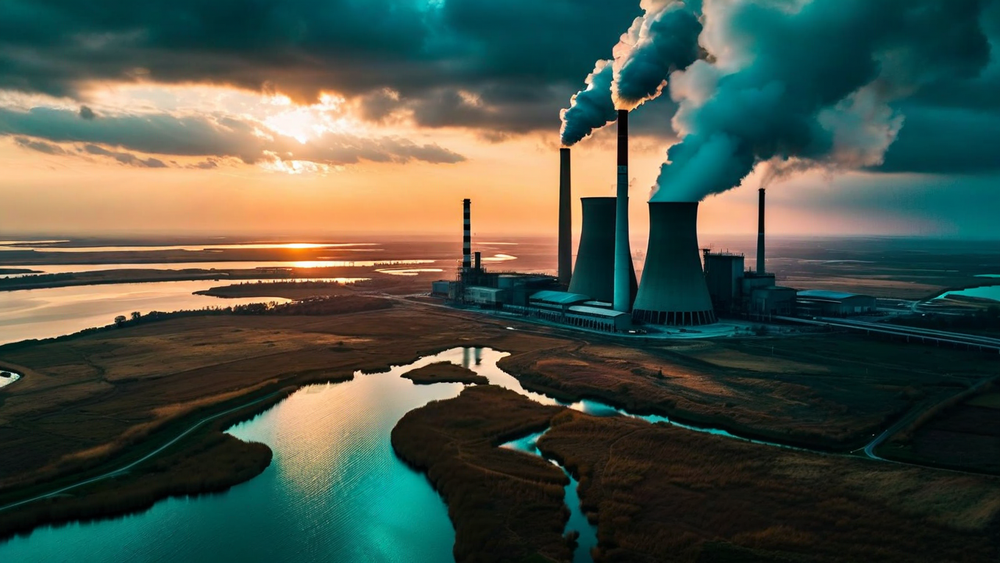
In a dramatic turn of events, Italy's lower house of parliament has voted to extend the operations of its four remaining coal-fired power plants until 2038, a stark 13-year delay from the original December 2025 shutdown date. This decision comes amid a deepening global energy crisis, triggered by US-Israeli attacks on Iran, which has sent shockwaves through the international energy markets. The right-wing populist League party championed this measure, framing it as a necessary response to the escalating energy shortages. However, this move has set Italy on a collision course with the European Union's stringent decarbonization goals, raising questions about the nation's commitment to climate targets and the potential economic fallout. The stakes are high. Italy's decision not only underscores the fragile balance between energy security and environmental sustainability but also highlights the growing rift within the EU over climate policy. As the world watches, the long-term implications of this delay are poised to reverberate across global markets, energy policies, and climate commitments. On Tuesday, Italy's lower house of parliament voted to extend the operations of its four remaining coal-fired power plants until 2038. This decision overturns the original December 2025 shutdown date as outlined in the EU's National Energy and Climate Plan. The right-wing populist League party, led by Matteo Salvini, supported the measure, arguing it was a responsible response to the global energy crisis triggered by US-Israeli attacks on Iran. This legislative move has intensified tensions with the European Union, which has set ambitious decarbonization goals aimed at reducing carbon emissions and transitioning to renewable energy sources. The delay is expected to increase Italy's annual carbon emissions by approximately 10 million tons, undermining the EU's collective climate efforts. The decision to delay the shutdown of Italy's coal plants is rooted in the global energy supply constraints and geopolitical instability caused by the US-Israeli attacks on Iran. This conflict has disrupted the global oil supply, leading to severe energy shortages in Italy. In response, the Italian parliament voted to extend the operations of coal plants to ensure energy security. This move, however, comes at the cost of increased carbon emissions and a potential multi-billion euro impact on EU climate funding. Historically, similar energy crises, such as the 1973 oil embargo, have led to long-term economic and environmental consequences. This underpriced risk suggests that the delayed decarbonization could have severe long-term effects on both the Italian economy and the global climate. This is a classic example of the trade-off between short-term energy security and long-term environmental sustainability, a recurring theme in global energy policy. The immediate market reaction to Italy's decision to delay coal plant shutdowns has been significant. Italian energy stocks, such as Enel and Edison, saw a rise in value as investors anticipated increased revenue from extended coal plant operations. Conversely, EU carbon credit prices fell due to the anticipated rise in emissions. Globally, oil prices remained elevated as demand continued to outstrip supply, exacerbated by the ongoing conflict in the Middle East. The transmission mechanism from this event to the market is clear: increased coal usage leads to higher emissions, which in turn affects carbon credit prices and overall energy market dynamics. Cross-asset spillover effects are also evident, with investors reallocating funds from renewable energy stocks to more traditional energy sources, reflecting the heightened uncertainty and risk in the energy sector. The most critical question remaining is how the European Union will respond to Italy's decision. Potential EU sanctions or financial penalties could further strain Italy's economy, while diplomatic efforts to align Italy with EU decarbonization goals may offer a more collaborative solution. Key data releases to watch include Italy's energy consumption reports, EU carbon emission statistics, and the upcoming EU-Italy climate policy negotiations. The single most important question is whether Italy will find a balance between energy security and climate commitments, or if this delay will lead to a deeper rift with the EU. Prediction markets focused on energy transition, extreme weather events, and climate policy are most correlated with this event. The key upcoming catalyst will be the EU's response to Italy's decision, which will significantly influence market sentiment and policy directions.
Major Impact Areas
- Italian energy stocks85%
- EU carbon credit prices72%
- Global oil prices68%
Predifi is an on-chain prediction market platform. Join the waitlist →
#climate #prediction-markets #market-analysis #italy-coal-plant-delay #eu-decarbonization-conflict #global-energy-crisis-impact