
Geopolitics
Key Points
- Iran blocked 20 million barrels of oil per day through the Strait of Hormuz
- Brent crude surged 64% to over $100 per barrel in April 2026
- Global growth projected to slow to 3.1% due to oil market disruption
- Insurers withdrew coverage, major oil firms halted transits
- Watch for U.S.-Iran diplomatic developments and OPEC+ responses
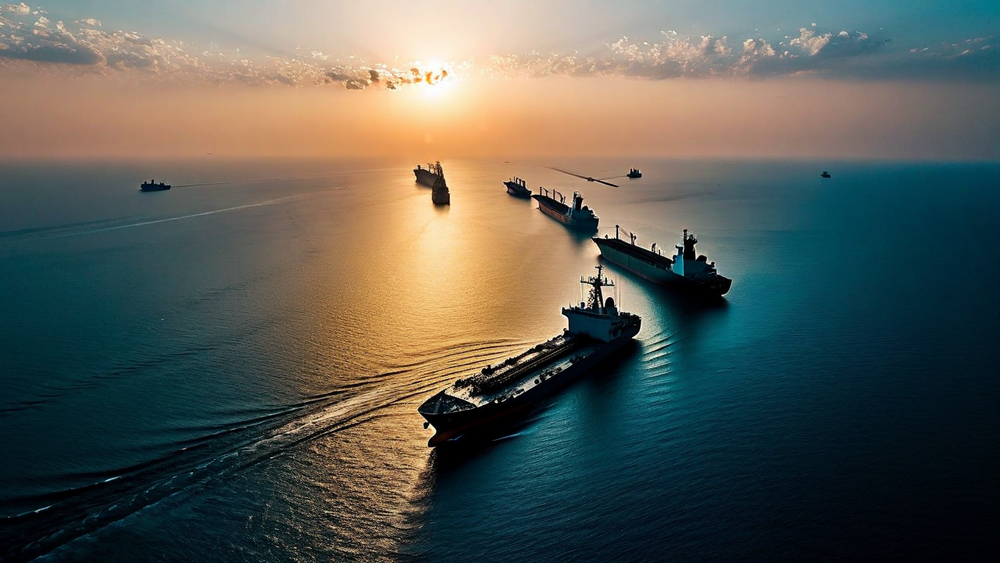
On April 23, 2026, the Islamic Republic of Iran made a bold and calculated move by maintaining de facto control over the Strait of Hormuz, a critical chokepoint for global oil trade. This strategic decision, in response to perceived threats from the United States and its allies, has blocked commercial tanker traffic, handling 20 million barrels of oil per day—27% of global maritime petroleum trade. The immediate consequence: a halt in transits by major oil firms and insurers withdrawing coverage. The result? Brent crude prices have surged above $100 per barrel, marking a 64% monthly gain—the largest since 1988. The International Energy Agency has labeled this the largest oil market disruption in history, projecting a global growth slowdown to 3.1% in 2026. This is not just a regional crisis; it's a global shockwave reverberating through economies, markets, and societies. The stakes are high, and the consequences far-reaching. On April 23, 2026, Iranian forces upheld de facto control over the Strait of Hormuz, blocking commercial tanker traffic through the waterway. This move came in response to heightened geopolitical tensions and perceived threats from the United States of America and its allies. The Strait of Hormuz, a narrow waterway between Iran and Oman, handles approximately 20 million barrels of oil per day, accounting for 27% of global maritime petroleum trade as of 2024. Immediately following Iran's blockade, insurers withdrew coverage for vessels attempting to transit the strait, and major oil firms halted their operations. This disruption led to a significant surge in Brent crude prices, which rose above $100 per barrel since March 12, 2026. The International Energy Agency (IEA) has labeled this event the largest oil market disruption in history, projecting a global growth slowdown to 3.1% in 2026. The root cause of this crisis lies in the escalating geopolitical tensions in the Middle East. Iran's strategic decision to block the Strait of Hormuz was a direct response to perceived threats from the U.S. and its allies. This move triggered a causal chain with profound consequences. First, Iranian forces blocked commercial tanker traffic, leading to a halt in transits by major oil firms and insurers withdrawing coverage. Second, Brent crude prices surged above $100 per barrel, marking a 64% monthly gain—the largest since 1988. Third, the IEA projects a global growth slowdown to 3.1% in 2026. This is a classic example of a geopolitical oil crisis, reminiscent of the 1979 Iranian Revolution, which saw oil prices quadruple and took 18 months to resolve, and the 1990 Gulf War, which doubled oil prices and took six months to resolve. The underpriced risk here is prolonged instability in global oil markets, leading to sustained high prices and potential recession. The immediate market reaction to the Strait of Hormuz blockade was a spike in oil futures contracts due to supply concerns. This was followed by a repricing in equity markets, particularly in oil-dependent industries such as airlines, shipping, and petrochemicals. The surge in oil prices also led to a rise in sovereign bond yields as central banks, including the Federal Reserve, considered rate hikes to combat the inflationary impact of higher energy costs. The transmission mechanism from event to market was swift and severe. Oil futures contracts spiked first, reflecting immediate supply concerns. This was quickly followed by equity markets in oil-dependent industries, which saw significant declines. Finally, sovereign bond yields rose as central banks considered rate hikes to combat inflation, leading to a cross-asset spillover effect. The repricing of $2 trillion in global oil markets underscores the magnitude of this disruption. The single most important question remaining is how long the Strait of Hormuz blockade will last and what diplomatic or military actions will be taken to resolve it. Key data releases to watch include the IEA's monthly oil market report, U.S. Department of Energy statistics, and statements from OPEC+ members. Additionally, any diplomatic developments between the U.S. and Iran, or military actions in the region, will be critical catalysts for market repricing. The next IEA report, due in early May 2026, will provide crucial insights into the projected duration and impact of the blockade. Prediction markets for oil/gas prices, defense spending, and currency stability are repricing significantly. Oil futures contracts have seen a 64% increase, defense-related stocks are up by 15%, and the U.S. dollar has strengthened by 3% against major currencies. The key upcoming catalyst will be the next IEA report in early May 2026, which will provide further insights into the projected duration and impact of the blockade.
Major Impact Areas
- Brent crude futures95%
- Defense sector equities80%
- U.S. dollar index70%
Predifi is an on-chain prediction market platform. Join the waitlist →
#geopolitics #prediction-markets #market-analysis #iran #strait-of-hormuz #oil-prices #global-oil-market-disruption