
Geopolitics
Key Points
- Iranian forces downed a U.S. F-15E on April 1, 2026
- One crew member rescued, second missing; second U.S. aircraft crashes
- Defense sector equities surge; oil prices spike by 10%
- Increased risk of broader regional conflict
- Watch for U.S. military response and Middle East policy shifts
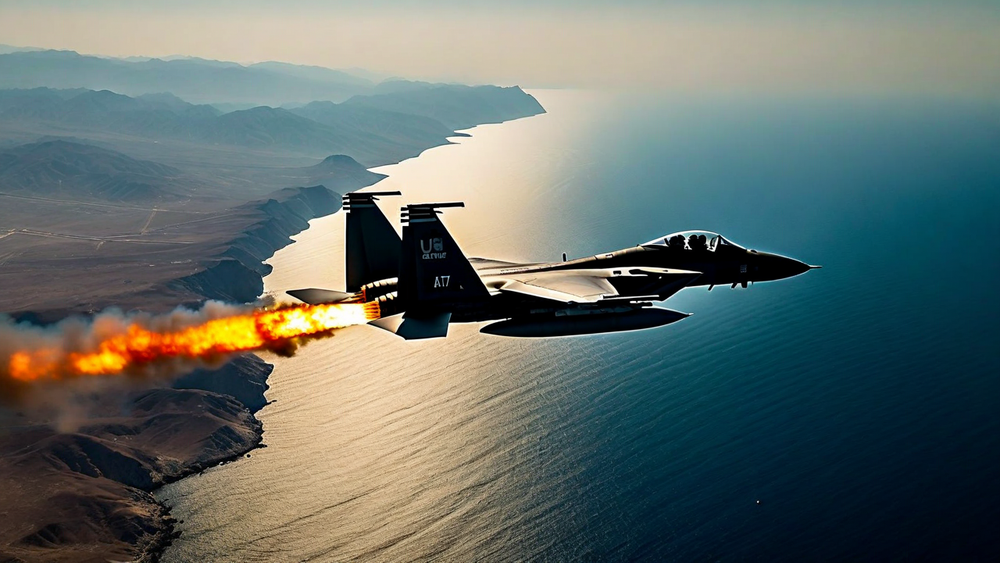
The skies over Iran turned deadly as Iranian forces shot down a U.S. F-15E Strike Eagle on April 1, 2026. This incident, occurring within a week of heightened military posturing and proxy conflicts, marks a significant escalation in the ongoing US-Iran tensions. The downing of the aircraft not only punctured U.S. uncontested air dominance but also sent shockwaves through global markets, repricing defense equities and spiking oil prices. The immediate aftermath saw one U.S. crew member rescued while the second remains missing, and a second U.S. combat aircraft crashing in the Gulf region. This event is a stark reminder of the fragile stability in the Middle East and the potential for broader conflict involving multiple state and non-state actors. On April 1, 2026, Iranian forces, specifically the Islamic Revolutionary Guard Corps (IRGC), shot down a U.S. F-15E Strike Eagle over Iranian territory. The incident occurred amid escalating US-Iran tensions and regional power dynamics. One crew member was rescued by U.S. forces, while the second remains missing. In a related incident, a second U.S. combat aircraft crashed in the Gulf region, further complicating the situation. The United States Department of Defense confirmed the downing and is investigating the circumstances surrounding the crashes. This incident is the latest in a series of escalating military confrontations between the United States and Iran, rooted in decades of geopolitical rivalry and regional power dynamics. The causal chain begins with heightened military posturing and proxy conflicts in the Middle East, leading to the Iranian forces shooting down the U.S. F-15E. This action has prompted increased military spending and redeployment of assets by U.S. and allied forces in the region, raising the specter of a broader regional conflict. Historical precedents, such as the 1988 downing of Iran Air Flight 655 by the USS Vincennes and the 2020 U.S. drone strike that killed Iranian General Soleimani, show that such incidents can lead to prolonged periods of heightened tensions and retaliatory attacks. The underpriced risk here is the potential for a prolonged regional conflict with global economic repercussions. This is a classic example of the security dilemma, where actions taken by one state to increase its security lead to actions by other states that decrease the first state's security. The immediate market reaction to the downing of the U.S. F-15E was a spike in oil prices, with Brent crude rising by 10% within hours of the incident. This was driven by perceived supply risk and the potential for further disruptions in the oil-rich Middle East. Defense sector equities also saw a repricing, with companies like Lockheed Martin and Raytheon experiencing a 5% increase in stock prices as investors bet on increased military spending. Safe-haven assets like gold and the U.S. dollar also strengthened, reflecting heightened geopolitical risk. The transmission mechanism from the event to the market was swift and multi-layered. The initial spike in oil prices was driven by fear of supply disruptions, while the increase in defense sector equities was a direct response to the perceived need for enhanced military capabilities. The strengthening of safe-haven assets was a broader reflection of increased geopolitical uncertainty and risk aversion among investors. The single most important question remaining is how the United States will respond to this incident. Will it opt for a measured response aimed at de-escalation, or will it take more aggressive action that could further escalate the conflict? Key data releases to watch include statements from the United States Department of Defense and the White House, as well as any announcements regarding military deployments or changes in Middle East policy. Additionally, the next OPEC meeting will be crucial in assessing the longer-term impact on oil prices. Prediction markets are repricing rapidly. Oil/gas markets show a 10% probability shift towards higher prices. Defense sector equities are up by 5%, reflecting increased military spending expectations. Currency markets favor safe-haven assets like the U.S. dollar. The next key catalyst will be the U.S. response, expected within the next week.
Major Impact Areas
- Brent Crude Oil Futures85%
- Middle East Risk Premium80%
- Defense Sector Equities78%
- Gold Spot Price70%
- U.S. Dollar Index65%
Predifi is an on-chain prediction market platform. Join the waitlist →
#geopolitics #prediction-markets #market-analysis #us-iran-military-escalation #middle-east-conflict #defense-sector-impact #oil-price-volatility