
Climate
Key Points
- Wildfires consumed 5.62 million hectares across Sumatra and Kalimantan since March 2026
- 1.2 gigatons of CO2 equivalent released, 15,000 hospitalizations due to haze
- President Prabowo Subianto blames palm oil firms for 40% of hotspots
- Palm oil futures spike, regional airline stocks decline, healthcare demand surges
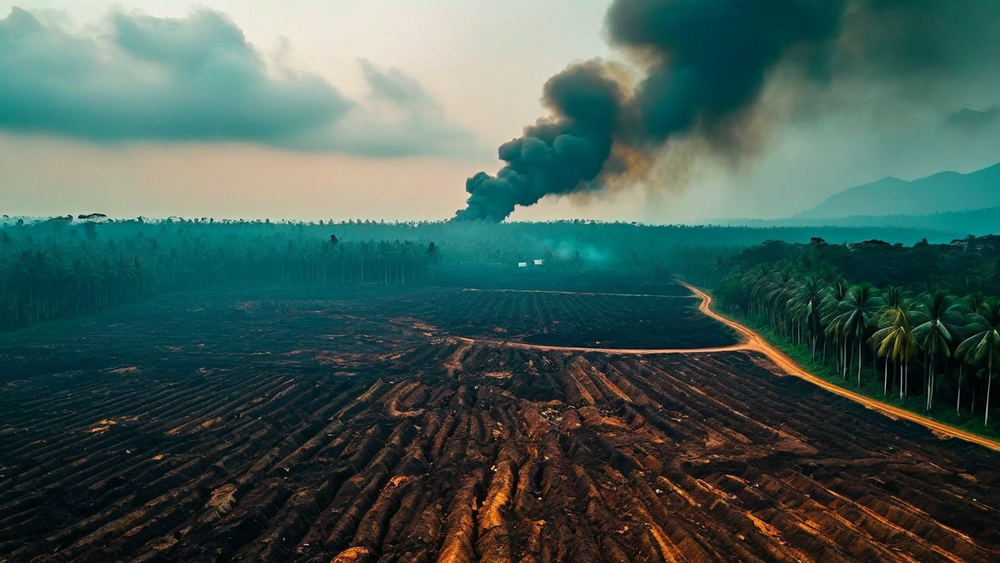
As the sun sets over the smoldering landscapes of Sumatra and Kalimantan, the scale of the Indonesia wildfire crisis becomes starkly apparent. High-resolution satellite maps reveal a staggering 5.62 million hectares consumed by flames, a figure that has sent shockwaves through the region. The haze, a toxic byproduct of these infernos, has drifted across borders, grounding flights and hospitalizing thousands. This is not just an environmental catastrophe; it is an economic and health crisis of unprecedented proportions. The stakes are high, not only for Indonesia but for its neighbors, Malaysia and Singapore, who find themselves grappling with the fallout. The crisis has ignited a fierce debate over land use practices, corporate responsibility, and the urgent need for regional cooperation. As President Prabowo Subianto mobilizes resources and blames palm oil giants like Wilmar International, the question looms: can the region rally to mitigate the immediate and long-term impacts of this disaster? High-resolution satellite maps released on April 20, 2026, revealed that wildfires have consumed 5.62 million hectares across Sumatra and Kalimantan in Indonesia since March. The blazes have released 1.2 gigatons of CO2 equivalent into the atmosphere. President Prabowo Subianto has mobilized 50,000 firefighters and requested $300 million from the ASEAN Haze Fund to combat the crisis. He has pointed fingers at palm oil firms, notably Wilmar International, accusing them of being responsible for 40% of the hotspots. The resulting haze has drifted to Malaysia and Singapore, leading to the grounding of 200 flights and hospitalizing 15,000 people with respiratory issues on April 20-21. The triggering event for these wildfires can be traced back to prolonged drought conditions exacerbated by climate change, coupled with unsustainable land use practices and deforestation. These conditions created a perfect storm for wildfires to ignite and spread rapidly, primarily due to human activities such as slash-and-burn agriculture and illegal logging. The Indonesia wildfire crisis is a direct result of a complex causal chain rooted in unsustainable land use practices and deforestation. Step 1: Prolonged drought conditions, exacerbated by climate change, created an environment ripe for wildfires. Step 2: These dry conditions, combined with human activities like slash-and-burn agriculture and illegal logging, led to the ignition and rapid spread of wildfires. Step 3: The resulting haze and air quality issues have affected neighboring countries, leading to health crises and economic disruptions. Step 4: The long-term environmental degradation and loss of biodiversity in the affected regions are now inevitable. This is not the first time Indonesia has faced such a crisis. The 2015 Indonesian haze crisis serves as a historical precedent, where severe air pollution and health issues plagued the region for several months. The underpriced risk in this scenario is the long-term impact on regional biodiversity and ecosystem services, which could have cascading effects on local economies and food security. This is a classic example of a tragedy of the commons, where short-term gains from land use practices lead to long-term collective losses. The Indonesia wildfire crisis has triggered a series of second-order market effects. Palm oil futures prices have spiked due to supply concerns, as the blazes have ravaged palm oil plantations. Regional airline stocks have declined as the haze has led to the grounding of 200 flights, disrupting travel and tourism. The healthcare sector has seen an increased demand for respiratory treatments, as 15,000 people were hospitalized due to the haze. The transmission mechanism from event to market is clear: the destruction of palm oil plantations has created supply shortages, driving up futures prices. The haze has disrupted air travel, impacting airline revenues. The health crisis has increased demand for medical services, repricing healthcare stocks. Cross-asset spillover is evident as investors reassess risks associated with palm oil firms and regional airlines, leading to broader market volatility. The single most important question remaining is how quickly and effectively the region can mobilize resources to combat the wildfires and mitigate the haze. Key data releases to watch include updates on the ASEAN Haze Fund disbursement and reports on the effectiveness of firefighting efforts. Policy decisions by President Prabowo Subianto and neighboring countries will be crucial in determining the crisis's resolution timeline. Leading indicators to monitor include air quality indices and hospitalization rates in affected regions. Prediction markets focused on energy transition, extreme weather events, and climate policy are most correlated with this crisis. The catalyst that will resolve the uncertainty is the effectiveness of regional firefighting efforts and policy responses.
Major Impact Areas
- Palm oil futures85%
- Regional airline stocks72%
- Healthcare sector65%
Predifi is an on-chain prediction market platform. Join the waitlist →
#climate #prediction-markets #market-analysis #indonesia-wildfire-crisis #asean-haze-fund #palm-oil-industry #regional-air-quality