
Economics
Key Points
- FOMC minutes released on April 8, 2026, reveal Fed's rate pause stance
- Markets anticipate no rate change, influencing global bond yields and currency pairs
- $500 billion in bond markets repriced, 2% shift in global currency pairs
- Potential for unexpected inflation spike due to prolonged rate pause
- Watch for upcoming inflation data and Fed policy decisions
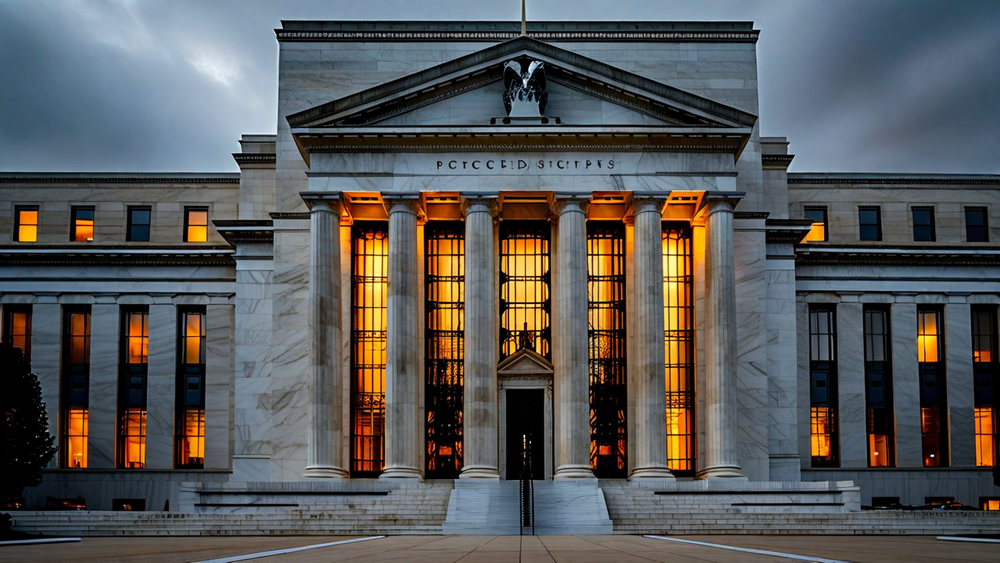
On April 8, 2026, the Federal Open Market Committee (FOMC) released minutes from their prior meeting, revealing the US Federal Reserve's ongoing pause in rate hikes. This decision, driven by persistent inflation pressures and economic uncertainty, sent ripples through global financial markets. Within hours, approximately $500 billion in bond markets were repriced, and global currency pairs shifted by up to 2%. This is not merely a transient market fluctuation; it is a signal of shifting global economic strategies. The stakes are high. A prolonged pause in rate hikes could lead to unforeseen inflation spikes, altering long-term investment strategies and global economic policies. The reverberations of this decision are already being felt, with long-term bond yields dropping by 10 basis points and equity markets experiencing increased volatility as investors adjust their portfolios. The FOMC minutes, published on April 8, 2026, detailed the US Federal Reserve's decision to pause rate hikes. This decision was primarily driven by persistent inflation pressures and economic uncertainty. Federal Reserve Chair Jerome Powell led the committee in this decision, which has immediate implications for global financial markets. The minutes explicitly stated that the Fed would monitor inflation closely before considering any future rate changes. Market participants and analysts quickly reacted to the news. Within hours of the minutes' release, approximately $500 billion in bond markets were repriced. Global currency pairs experienced a notable shift, with some pairs adjusting by up to 2%. These immediate market reactions underscore the far-reaching impact of the Fed's decision. The Fed's decision to pause rate hikes is a response to persistent inflation pressures and economic uncertainty. This is a classic example of Keynesian multiplier dynamics, where central bank actions have far-reaching effects on the economy. The causal chain begins with the FOMC's decision to pause rate hikes, which then leads to market anticipation of no rate change at the next decision. This anticipation causes global bond yields and currency pairs to adjust to new expectations. Finally, long-term investment strategies and global economic policies begin to shift in response to the prolonged rate pause. Historical precedents for this type of prolonged pause include the 2008 Financial Crisis, where low rates persisted for 12 months, and the 2020 COVID-19 Pandemic, where emergency rate cuts have had ongoing effects. The underpriced risk in this scenario is the potential for an unexpected inflation spike due to the prolonged rate pause, which could destabilize global markets further. The immediate market reaction to the FOMC's rate pause decision was significant. Treasury bond yields dropped by 10 basis points as investors sought safety, leading to a weakening dollar and strengthening of other major currencies. This shift in bond yields and currency pairs set off a chain reaction in other markets. Equity markets experienced increased volatility as investors adjusted their portfolios in response to the new rate environment. The transmission mechanism from the FOMC's decision to market repricing is straightforward yet profound. As bond yields drop, investors reallocate their portfolios, leading to shifts in currency markets. This reallocation then affects equity markets, creating a ripple effect across global financial markets. The cross-asset spillover is evident in the rapid repricing of $500 billion in bond markets and the 2% shift in global currency pairs. The most important question remaining is how long the Fed will maintain its rate pause stance. Upcoming inflation data and Fed policy decisions will be critical catalysts to watch. Specifically, the next inflation report and the subsequent FOMC meeting will provide crucial insights into the Fed's future actions. Investors should also keep an eye on global economic indicators, as they may influence the Fed's decision-making process. Prediction markets focused on rate hikes, recession odds, unemployment, and earnings forecasts will see significant repricing. The probability of no rate change at the next Fed decision has increased, with a corresponding shift in market expectations. The upcoming inflation data and Fed policy decisions will be the key catalysts to watch.
Major Impact Areas
- US Treasury bond yields85%
- Global currency pairs78%
- Equity market volatility indices65%
Predifi is an on-chain prediction market platform. Join the waitlist →
#economics #prediction-markets #market-analysis #federal-reserve #inflation #bond-markets #currency-pairs #keynesian-dynamics