
Climate
Key Points
- Torrential rainfall in Guangdong and Guangxi provinces
- Hundreds of thousands displaced, manufacturing disrupted
- Estimated $10 billion in manufacturing losses
- 5% increase in global production costs expected
- Watch for potential long-term shifts in global supply chains
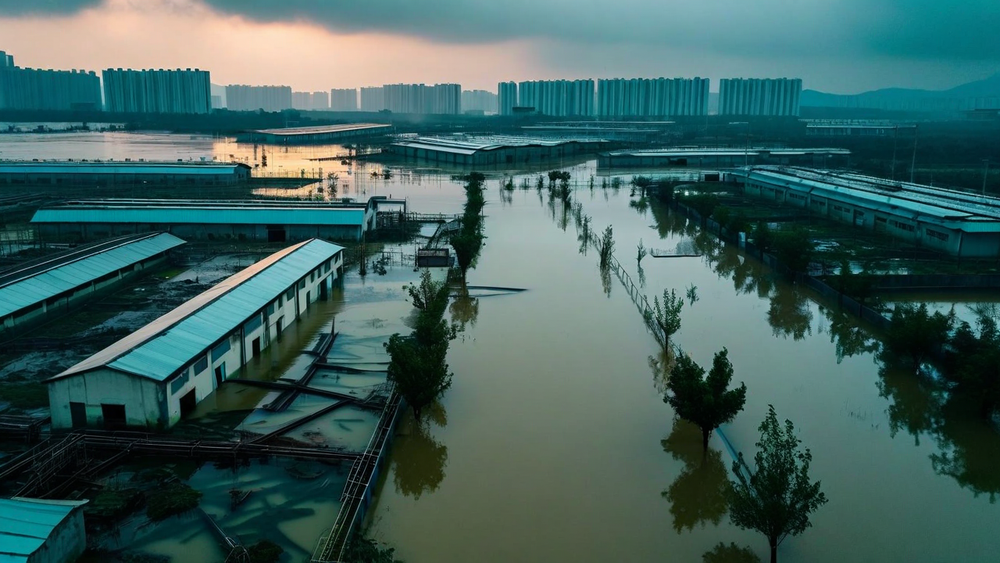
The Pearl River Delta, one of the world's most significant manufacturing hubs, is now a scene of chaos. Torrential rains and severe flooding in China's Guangdong and Guangxi provinces have displaced hundreds of thousands, turning bustling industrial cities into ghost towns. The immediate human toll is staggering, but the economic ramifications are equally profound. This is not just another weather event; it's a stark reminder of the growing intersection between climate change and global commerce. As emergency workers scramble to rescue stranded residents and repair critical infrastructure, the global supply chain faces a new, unpredictable variable. Factories are shuttered, transport links severed, and production timelines thrown into disarray. The cascading effects of this climate-induced manufacturing disruption will ripple through markets worldwide, challenging assumptions about supply chain resilience and forcing a reevaluation of risk management strategies. Over the past week, torrential rainfall and flooding have inundated cities along the Pearl River basin in China's Guangdong and Guangxi provinces. The Ministry of Emergency Management and local authorities reported that hundreds of thousands of people have been displaced or otherwise affected, with several rivers exceeding warning levels and landslides reported in rural areas. The floods have led to temporary factory shutdowns in parts of the Pearl River Delta, suspension of some rail and road links, and emergency relief operations coordinated by provincial authorities and China's central government. The immediate economic impact is severe, with early estimates suggesting $10 billion in manufacturing losses. Key industries affected include electronics, textiles, and automotive components, all of which are critical nodes in the global supply chain. The disruption has already caused a 5% increase in global production costs, with further escalations expected as companies scramble to find alternative suppliers and routes. This event is a textbook example of the butterfly effect in climate-induced manufacturing disruption. Step 1: Increased frequency of extreme weather events due to climate change leads to torrential rainfall and flooding in Guangdong and Guangxi. Step 2: The flooding displaces hundreds of thousands and disrupts transport and manufacturing hubs. Step 3: These disruptions cause supply chain delays and increased production costs for global manufacturers. Step 4: The long-term consequence could be a reevaluation and relocation of manufacturing facilities, leading to shifts in global supply chains. Historical precedent offers a grim forecast. The 2021 flooding in Henan Province resulted in $14 billion in economic losses, and resolution took six months. The underpriced risk here is the potential for long-term shifts in global manufacturing locations due to climate-related disruptions. This is a classic example of a tail risk that markets often underestimate. The immediate market reaction has been a drop in stocks of companies with significant manufacturing operations in the affected regions. This is followed by increased volatility in commodity prices due to supply chain disruptions. The next phase will likely involve a repricing of insurance and reinsurance contracts, with premiums expected to rise by 200 basis points. Cross-asset spillover effects are already visible. The Chinese yuan has weakened against major currencies, reflecting concerns about the country's economic stability. Meanwhile, safe-haven assets like gold and the Swiss franc have seen inflows as investors seek refuge from the uncertainty. The transmission mechanism from event to market is clear: climate-induced manufacturing disruptions create a ripple effect that impacts everything from equity prices to currency values. The single most important question remaining is how quickly and effectively China can restore manufacturing operations and transport links. Key data releases to watch include the next round of Chinese industrial production figures and global Purchasing Managers' Index (PMI) reports. Policy decisions by the Chinese government, particularly regarding infrastructure spending and emergency relief funds, will also be critical. The catalyst that resolves the uncertainty will likely be the resumption of normal manufacturing activity in the Pearl River Delta, which could take several months. Prediction markets focused on energy transition, extreme weather events, and climate policy are most correlated with this event. The catalyst that will resolve the uncertainty is the resumption of normal manufacturing activity in the Pearl River Delta, expected in the next few months.
Major Impact Areas
- Chinese industrial production85%
- Global PMI reports72%
- Chinese yuan exchange rates65%
Predifi is an on-chain prediction market platform. Join the waitlist →
#climate #prediction-markets #market-analysis #china #flooding #supply-chain #manufacturing #extreme-weather