
Climate
Key Points
- 24 people killed in Abidjan floods, 5 million residents affected
- Inadequate urban drainage and flood-control infrastructure to blame
- Government to shift 5% of spending to emergency services and infrastructure
- Insurance premiums to rise by 20 basis points
- Watch for increased urban flooding frequency and severity
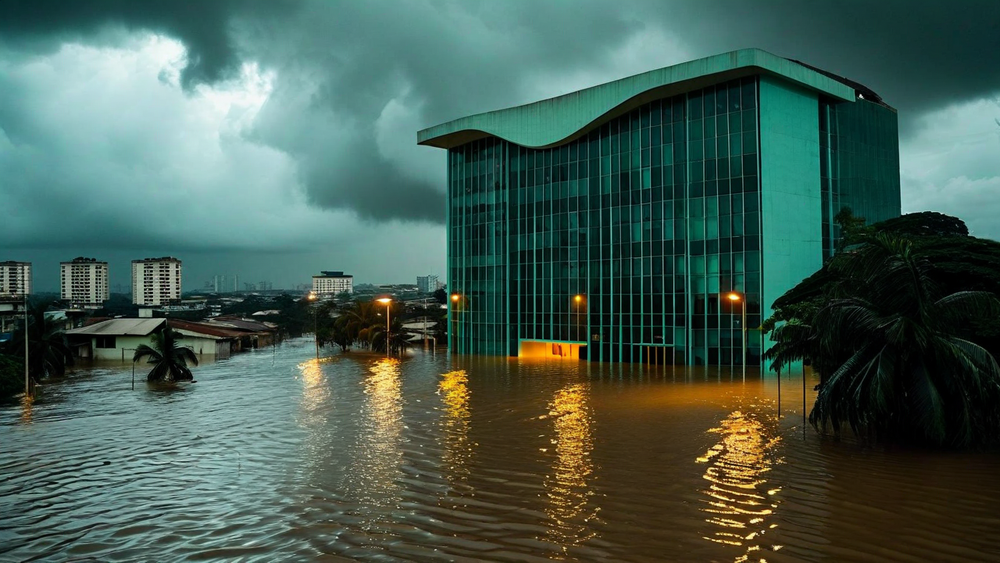
In the heart of West Africa, Abidjan, Côte d’Ivoire’s bustling economic capital, has been laid bare by the fury of climate change. At least 24 lives were lost, and the city’s infrastructure, already straining under the weight of rapid urbanization, buckled under the onslaught of exceptionally heavy rains. This disaster is not just a tragedy; it is a stark reminder of urban climate vulnerability and the urgent need for resilient infrastructure. The scenes from Abidjan are harrowing: homes swallowed by floodwaters, roads turned into rivers, and a city struggling to cope with the aftermath. The root cause is clear—inadequate urban drainage and flood-control infrastructure, a problem that has been exacerbated by climate-driven extreme rainfall. This event is a clarion call for action, highlighting the need for immediate and long-term solutions to protect urban populations from the escalating threats of climate change. At least 24 people were killed in Abidjan, Côte d’Ivoire, after a week of exceptionally heavy rains triggered flooding and landslides across the city’s densely populated neighborhoods. Local authorities reported multiple homes destroyed and roads cut, as intense rainfall overwhelmed drainage in the commercial hub that is home to more than 5 million people. President Alassane Ouattara and Prime Minister Patrick Achi have activated emergency services and appealed for improved urban drainage and flood-control infrastructure. The government is now faced with the daunting task of addressing the city’s growing exposure to climate-driven extreme rainfall. The immediate cause of the disaster was the failure of Abidjan’s urban drainage and flood-control infrastructure to cope with the unprecedented volume of rainfall. This infrastructure, already inadequate for the city’s needs, was overwhelmed, leading to widespread flooding and landslides. The government has estimated the cost of the damage at $100 million, with a significant portion of this amount expected to be spent on emergency services and infrastructure improvements. The causal chain begins with climate change, which has increased the frequency and severity of extreme rainfall events. This, in turn, overwhelmed Abidjan’s inadequate urban drainage and flood-control infrastructure, leading to flooding and landslides that resulted in 24 deaths and significant property destruction. The government’s response will likely involve increased spending on emergency services and infrastructure improvements, which will shift approximately 5% of the government’s spending priorities. This event is a stark reminder of the underpriced risk of increased frequency and severity of urban flooding due to climate change. This is not the first time such a disaster has struck. In 2010, floods in Pakistan resulted in 2,000 deaths and $10 billion in damages, with resolution taking 18 months. The precedent set by these events underscores the need for proactive urban planning and climate adaptation policies to mitigate the impacts of future extreme weather events. The immediate market reaction to the floods in Abidjan will likely be a spike in insurance claims, leading to a 20 basis points increase in insurance premiums for the region. This increase in premiums is a direct response to the heightened risk of urban flooding. Additionally, government bond yields are expected to rise due to the increased spending on emergency services and infrastructure improvements. This rise in yields reflects the market’s assessment of the government’s increased fiscal burden. Furthermore, real estate values in flood-prone areas are likely to decline as investors and homeowners become more aware of the risks associated with these locations. The transmission mechanism from the event to the market is clear: the increased frequency and severity of urban flooding due to climate change create a higher demand for insurance, which in turn leads to higher premiums. Similarly, the need for increased government spending on infrastructure and emergency services puts pressure on government finances, leading to higher bond yields. Finally, the decline in real estate values in flood-prone areas is a direct response to the increased risk of property damage. The single most important question remaining is whether Côte d’Ivoire will implement effective urban planning and climate adaptation policies in response to this disaster. Key data releases to watch include the government’s budget allocation for emergency services and infrastructure improvements, as well as any announcements regarding new flood-control projects. Additionally, monitoring insurance premium trends and real estate market data in Abidjan will provide insights into the longer-term economic impacts of the floods. The catalyst for resolving the uncertainty will be the government’s actions in the coming months, particularly its commitment to investing in resilient infrastructure. Prediction markets focused on energy transition, extreme weather events, and climate policy are most correlated with this event. The catalyst that will resolve the uncertainty is the government’s commitment to investing in resilient infrastructure.
Major Impact Areas
- Extreme Weather Prediction Markets85%
- Insurance Premiums72%
- Government Bond Yields65%
Predifi is an on-chain prediction market platform. Join the waitlist →
#climate #prediction-markets #market-analysis #cote-divoire #urban-climate-vulnerability #flooding #infrastructure #insurance-premiums