
Economics
Key Points
- Brent crude oil prices climbed 4.5% to $98.50 per barrel
- Iranian Revolutionary Guard Corps issued threats following vessel attacks
- USD strengthened 0.8% as a safe-haven, US gasoline forecasts rose 60 cents/gallon
- Potential long-term rerouting of global oil trade and increased military presence
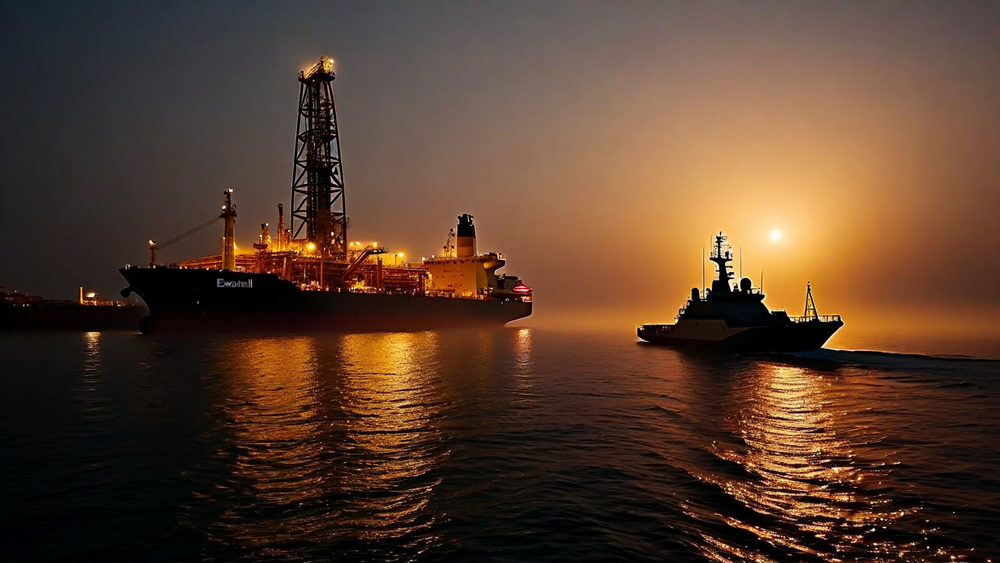
The Strait of Hormuz, a narrow waterway between the Persian Gulf and the Gulf of Oman, is the world's most critical chokepoint for oil. Over 20 million barrels of oil pass through it daily, representing 27% of global petroleum trade. Recent threats by the Iranian Revolutionary Guard Corps to interrupt this vital artery have sent shockwaves through global markets. Brent crude oil prices surged 4.5% to $98.50 per barrel, the highest since July 2024. The immediate trigger was a series of vessel attacks near the strait, prompting insurers to withdraw coverage and major oil companies like ExxonMobil to halt transits. This disruption has not only spiked oil prices but also strengthened the USD by 0.8% as investors seek safe-haven assets. US gasoline forecasts have risen by 60 cents per gallon, pushing national averages above $4. The geopolitical chess game in the Middle East has once again ensnared global energy markets, raising questions about the long-term stability of oil trade routes. The surge in crude oil prices is directly linked to the Iranian Revolutionary Guard Corps' threats to interrupt the Strait of Hormuz. Following a series of vessel attacks near the strait, insurers pulled coverage, and oil majors like ExxonMobil halted transits. This disruption caused Brent crude oil prices to climb 4.5% to $98.50 per barrel. The USD strengthened by 0.8% as investors flocked to safe-haven assets, and US gasoline forecasts rose by 60 cents per gallon, pushing national averages above $4. The Strait of Hormuz, which handles 20 million barrels of oil daily or 27% of global petroleum trade, is now a focal point of global tension. This crude oil price surge is a classic example of a supply shock driven by geopolitical tensions. The causal chain begins with the Iranian Revolutionary Guard Corps issuing threats following vessel attacks. This led to insurers pulling coverage and oil majors halting transits, causing a 4.5% spike in Brent crude oil prices to $98.50 per barrel. The USD strengthened by 0.8% as a safe-haven, and US gasoline forecasts rose by 60 cents per gallon. Historical precedent shows that similar disruptions, like the 2019 seizure of a British-flagged oil tanker by Iran, led to increased military tensions and oil price spikes, with resolution taking two months. The underpriced risk here is the potential long-term rerouting of global oil trade and increased military presence in the region. This event echoes the 1973 oil crisis, where geopolitical tensions led to a quadrupling of oil prices and long-lasting changes in global energy markets. The current situation could similarly lead to structural shifts in oil trade routes and increased militarization of the region, with lasting impacts on global energy security. The immediate market reaction to the crude oil price surge was a repricing of crude oil futures, which jumped 4.5% to $98.50 per barrel. This was followed by a 0.8% strengthening of the USD as investors sought safe-haven assets. The rise in crude oil prices also led to a 60-cent increase in US gasoline forecasts, pushing national averages above $4 per gallon. Equities related to oil and gas, particularly those with exposure to the Middle East, saw significant volatility. The transmission mechanism from event to market began with supply concerns, which drove up crude oil futures prices. This was followed by a flight to safety, boosting the USD. Finally, the increase in crude oil prices led to higher gasoline prices, affecting consumer spending and inflation expectations. Cross-asset spillover effects were evident, with equities, bonds, and commodities all showing signs of repricing based on the new geopolitical risk landscape. The single most important question remaining is whether the threats to the Strait of Hormuz will lead to a long-term shift in global oil trade routes. Key data releases to watch include OPEC's monthly oil market report, US Energy Information Administration (EIA) petroleum status reports, and any statements from the Iranian Revolutionary Guard Corps or major oil companies like ExxonMobil. The next few weeks will be critical in determining whether this is a short-term spike or a longer-term restructuring of global oil trade. Prediction markets focused on crude oil prices, USD strength, and Middle East geopolitical risk are likely to see significant repricing. The probability of a long-term shift in global oil trade routes has increased, with the next OPEC report being a key catalyst.
Major Impact Areas
- Crude Oil Futures85%
- USD Index72%
- Middle East Geopolitical Risk Index68%
Predifi is an on-chain prediction market platform. Join the waitlist →
#economics #prediction-markets #market-analysis #crude-oil #geopolitical-risk #strait-of-hormuz #iranian-revolutionary-guard-corps #exxonmobil