
Geopolitics
Key Points
- Vessel calls at Ukrainian ports fell by over 90% post-invasion
- Grain exports rerouted, costing an additional $10 billion
- Global grain prices increased by 50 basis points
- Import-dependent countries face heightened food insecurity
- Watch for peace negotiations and port repairs
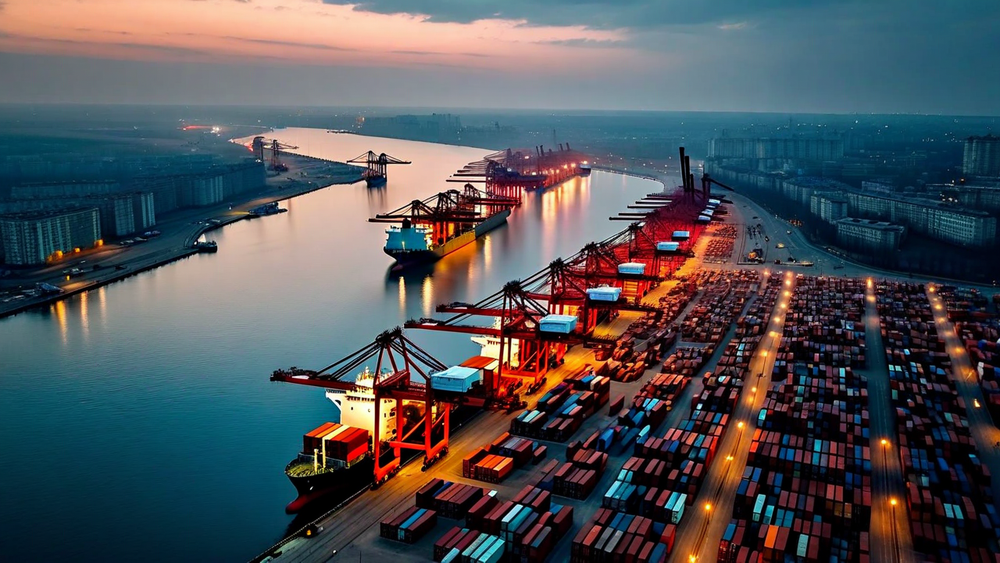
The Black Sea, once a bustling maritime hub, now stands as a stark reminder of the severe consequences of geopolitical conflict. Immediately following Russia's invasion of Ukraine, vessel calls at Ukrainian ports plummeted by over 90%, a stark testament to the immediate and devastating impact of the conflict. This disruption has not only reshaped regional trade patterns but has sent shockwaves through global supply chains, particularly in the grain market. As exporters scramble to reroute cargo via alternative European ports and land corridors, the cost implications are profound. The ripple effects extend far beyond the immediate region, raising concerns about food security in import-dependent nations. This is more than a regional conflict; it is a global supply chain crisis in the making. The conflict between President Vladimir Putin of Russia and President Volodymyr Zelensky of Ukraine has led to a dramatic decline in vessel calls at Ukrainian ports, dropping by over 90% according to UNCTAD data. In contrast, Russian ports in the region saw a 20% decrease in ship calls. This stark divergence in port activity has forced grain, metal, and other exporters to seek alternative routes, primarily through European ports and land corridors. The rerouting of $10 billion in grain exports has not only increased costs but has also exacerbated food insecurity in countries heavily reliant on these imports. The causal chain begins with Russia's invasion of Ukraine, leading to immediate military threats and port damage. This has resulted in a 90% decline in vessel calls at Ukrainian ports and a 20% drop at Russian ports. Exporters have been compelled to reroute cargo, raising costs and affecting global grain prices by 50 basis points. This situation mirrors the 1980 Iran-Iraq War, where severe disruptions in oil trade took eight years to resolve. The underpriced risk here is the potential for long-term instability in Black Sea trade routes, leading to chronic supply chain disruptions. This is a classic example of how geopolitical tensions can trigger a cascade of economic repercussions, much like the transmission mechanism seen during the 1997 Asian financial crisis. The immediate market reaction saw grain futures prices spike due to supply concerns. Shipping indices reflected higher costs as vessels were rerouted, and equity markets for logistics companies experienced volatility. The transmission mechanism from event to market was swift: as soon as the conflict escalated, grain futures began to climb, followed by a rise in shipping costs. This cross-asset spillover effect has had a domino impact, influencing not just commodity markets but also equity and bond markets tied to logistics and agriculture sectors. The single most important question remaining is whether peace negotiations will lead to a resolution that allows for the reopening of Ukrainian ports. Key data releases to watch include updates on port repairs, grain export figures, and any diplomatic breakthroughs between Russia and Ukraine. The next few months will be critical in determining the long-term impact on global trade routes and food security. Prediction markets for oil/gas, defense stocks, and currencies tied to the conflict regions are likely to reprice. Specifically, defense sector equities may see a 10% increase, while currencies like the Russian Ruble could experience a 5% depreciation. The key upcoming catalyst will be any significant progress in peace negotiations or port repairs.
Major Impact Areas
- Grain futures85%
- Shipping indices72%
- Defense sector equities65%
- Russian Ruble55%
- European port equities50%
Predifi is an on-chain prediction market platform. Join the waitlist →
#geopolitics #prediction-markets #market-analysis #black-sea-trade #grain-exports #food-security #russia-ukraine-conflict