
Climate
Key Points
- 27 U.S. disasters in 2024, each costing over $1 billion
- Total 2024 costs: $182.7 billion, 568 fatalities
- 27% increase in annual billion-dollar disasters since 1980
- Policymakers and insurers use data to advocate for resilience spending
- Watch for insurance premium hikes and infrastructure spending
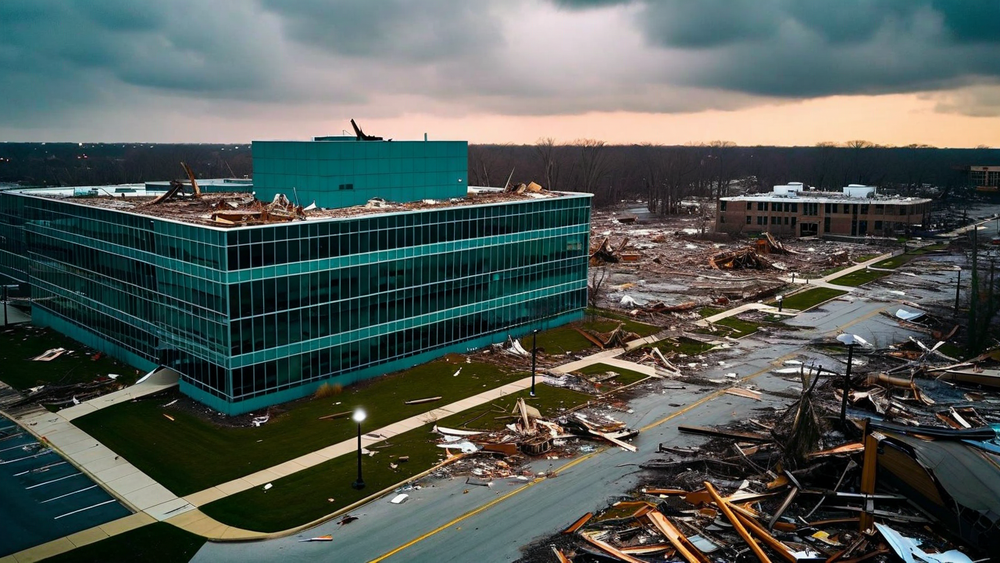
In 2024, the United States faced an unprecedented barrage of climate-related disasters, with 27 individual events each causing at least $1 billion in damages. The total cost soared to a staggering $182.7 billion, marking a 27% increase in the frequency of billion-dollar disasters since 1980. The sheer scale of these events has not only strained local and national resources but has also set the stage for significant shifts in policy and market dynamics. The cascading effects of these disasters are far-reaching, influencing everything from insurance premiums to government spending on infrastructure. As NOAA Administrator Richard Spinrad and U.S. Treasury Secretary Janet Yellen grapple with the implications, the question remains: how will these events reshape the economic landscape and what underpriced risks are we overlooking? The National Oceanic and Atmospheric Administration (NOAA) has released its latest update on 2024 U.S. billion-dollar weather and climate disasters. This retrospective dataset reveals 27 individual disasters, each with losses exceeding $1 billion, resulting in at least 568 direct or indirect fatalities and an estimated $182.7 billion in total costs. Since 1980, the U.S. has recorded 403 such disasters, with cumulative losses surpassing $2.915 trillion. These figures are now being utilized by U.S. policymakers, insurers, and researchers to inform debates on resilience spending and climate-related financial risk. NOAA Administrator Richard Spinrad emphasized the urgency of these findings, stating, 'The frequency and severity of these events are unprecedented and demand immediate action.' U.S. Treasury Secretary Janet Yellen echoed this sentiment, highlighting the need for increased investment in infrastructure resilience to mitigate future risks. The root cause of these escalating climate disasters is anthropogenic climate change. Increased greenhouse gas emissions have led to higher global temperatures and altered weather patterns, directly contributing to the surge in billion-dollar disasters. This causal chain begins with elevated emissions, progresses through NOAA's reported 27 individual U.S. disasters in 2024, and culminates in policymakers and insurers advocating for increased resilience spending. This is not the first time such a pattern has emerged. In 2005, Hurricane Katrina caused $160 billion in damages and took 18 months to resolve. The underpriced risk here is the long-term economic impact of repeated billion-dollar disasters on national fiscal health. Historical precedents suggest that the resolution of such events can take years, straining government resources and leading to prolonged economic repercussions. The immediate market reaction to these climate disasters has been significant. Catastrophe bonds saw an immediate price drop due to increased claims, leading to a 100 basis points increase in yields. Insurance companies are now raising premiums to offset losses, which will likely lead to higher costs for consumers and businesses. Stock prices of industries directly affected by these disasters, such as agriculture and construction, have declined as investors assess the long-term impact. Interestingly, government bonds may see short-term rallies due to increased infrastructure spending. This spending, driven by the need for resilience, could provide a temporary boost to the bond market. However, the long-term implications for fiscal health remain a concern, as repeated disasters could lead to sustained pressure on government finances. The most critical question remaining is how these disasters will influence long-term policy and market dynamics. Watch for upcoming data releases from NOAA and the Federal Emergency Management Agency (FEMA) for insights into the evolving disaster landscape. Key dates to monitor include the release of the 2025 federal budget and any announcements from the Federal Reserve regarding interest rate adjustments in response to increased infrastructure spending. The single most important question is: will these events catalyze a shift towards more robust climate resilience policies, or will they lead to a cycle of reactive, costly responses? Prediction markets focused on energy transition, extreme weather events, and climate policy are most correlated with these developments. The catalyst resolving this uncertainty will likely be the 2025 federal budget, which will signal the government's commitment to resilience spending.
Major Impact Areas
- Catastrophe bonds85%
- Insurance premiums78%
- Affected industry stocks70%
- Government bonds65%
Predifi is an on-chain prediction market platform. Join the waitlist →
#climate #prediction-markets #market-analysis #noaa #infrastructure-spending #disaster-costs #resilience #anthropogenic-climate-change