
Climate
Key Points
- 2024 saw the highest global temperatures in 175 years
- Strong El Niño exacerbated droughts in South America and southern Africa
- Global climate impacts led to $100 billion in damages and 10% yield shift
- Sovereign risk premiums rose by 50 basis points in affected regions
- Watch for WMO's next water resource report in Q3 2026
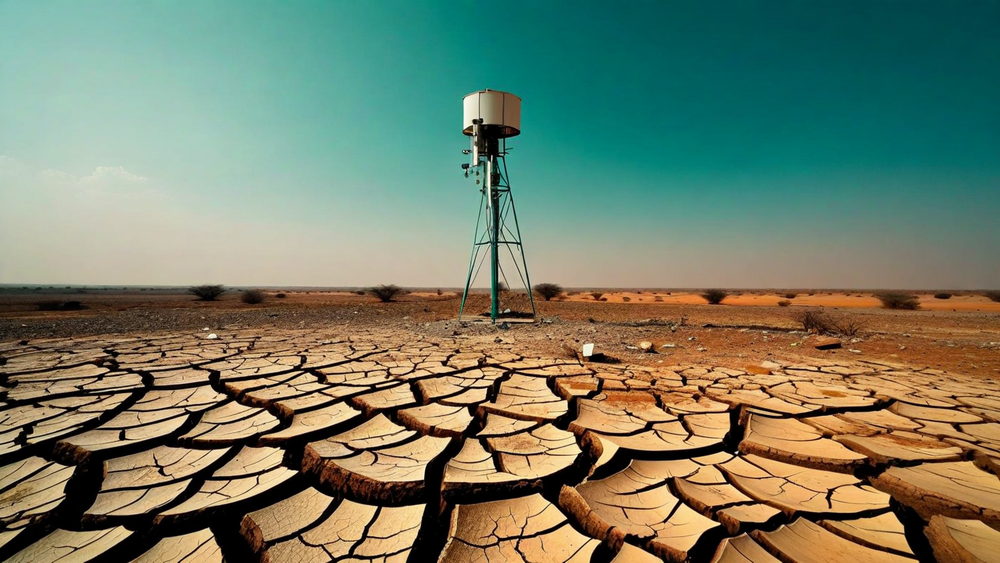
The year 2024 etched its name in the annals of climate history as the hottest year on record, with global temperatures soaring to unprecedented levels. This alarming milestone, confirmed by the World Meteorological Organization (WMO) in their State of Global Water Resources 2024 report, has set off a cascade of extreme weather events worldwide. From the withering droughts that gripped South America and southern Africa to the catastrophic floods that ravaged other regions, the impacts are both immediate and far-reaching. The stakes are higher than ever, as these climate anomalies not only disrupt local ecosystems but also send shockwaves through global markets. The report underscores the urgent need for enhanced monitoring and international data sharing to mitigate future risks. As nations grapple with the fallout, the question remains: how will these environmental shifts reshape the economic landscape in the years to come? In 2024, the Earth experienced its hottest year since record-keeping began 175 years ago, according to the WMO's State of Global Water Resources 2024 report, published on 18 September 2025. This unprecedented warmth was exacerbated by a strong El Niño event, leading to severe droughts in South America and southern Africa, and devastating floods in other regions. The report quantified the damages at $100 billion and noted a 10% shift in global agricultural yields. Additionally, sovereign risk premiums for affected regions increased by 50 basis points. The WMO and the United Nations (UN) are calling for improved monitoring and data sharing to address these escalating global climate impacts. The root cause of these extreme weather events is anthropogenic climate change, driven by greenhouse gas emissions. The causal chain begins with increased global temperatures, which intensify El Niño effects, leading to severe droughts and floods. This is a classic example of the butterfly effect, where small changes in one state of a system can result in large differences in a later state. Historical precedent shows that the 2016 El Niño event, though less severe, led to global economic losses of $150 billion, with resolution taking 24 months. The underpriced risk here is the long-term geopolitical instability due to chronic water scarcity, which could lead to conflicts and further economic disruptions. The immediate market reaction to these global climate impacts has been significant. Agricultural commodity prices have spiked due to reduced yields, leading to increased food prices and inflation. Sovereign bonds of affected countries have seen higher yields as risk premiums rise, reflecting investor concerns about economic stability. Water utility stocks have experienced volatility, with companies in drought-stricken regions facing operational challenges and those in flood-prone areas dealing with infrastructure damages. The transmission mechanism from event to market is clear: environmental disruptions lead to economic losses, which in turn affect financial instruments. Cross-asset spillover is evident as investors reallocate capital to safer assets, further pressuring the markets of affected regions. Investors and policymakers should closely monitor the WMO's next water resource report, expected in Q3 2026, for updated data on global water availability and climate impacts. Additionally, the UN's climate policy initiatives and international agreements on emissions reductions will be crucial in determining the future trajectory of global temperatures and extreme weather events. The single most important question remaining is how effectively nations will collaborate to mitigate these risks and adapt to the new climate reality. Prediction markets focused on energy transition, extreme weather events, and climate policy are most correlated with these developments. The next catalyst will likely be the WMO's water resource report in Q3 2026, which could shift probabilities on future climate impacts and market reactions.
Major Impact Areas
- Climate policy betting markets90%
- Agricultural commodity futures85%
- Sovereign bond yields78%
- Geopolitical risk indices70%
- Water utility stocks65%
Predifi is an on-chain prediction market platform. Join the waitlist →
#climate #prediction-markets #market-analysis #world-meteorological-organization #el-nino #geopolitical-tensions #water-scarcity #sovereign-risk #agricultural-commodities #inflation